A project communication plan is a critical document that outlines how information will be distributed, managed, and exchanged among stakeholders throughout the project lifecycle. It ensures everyone is on the same page, minimizes misunderstandings, and ultimately contributes to project success. Without a clear communication plan, projects are prone to delays, conflicts, and unmet expectations. This document serves as a blueprint for effective communication, detailing who needs to know what, when, and how.
Key Components of a Project Communication Plan
A comprehensive communication plan typically includes the following elements:
1. Stakeholder Identification and Analysis
The first step is to identify all project stakeholders. This includes project team members, sponsors, clients, end-users, management, and any other individuals or groups affected by or having an interest in the project. Once identified, analyze their communication needs. What information do they require? How frequently do they need updates? What communication channels are most effective for them? This analysis will inform the rest of the plan. Consider factors like their roles, responsibilities, level of interest, and influence on the project.
2. Communication Objectives
Define specific, measurable, achievable, relevant, and time-bound (SMART) objectives for communication. What are you trying to achieve with your communication efforts? Examples include: keeping stakeholders informed about project progress, soliciting feedback on key decisions, managing expectations regarding project deliverables, and resolving potential issues proactively. Clear objectives will help ensure that communication efforts are focused and effective.
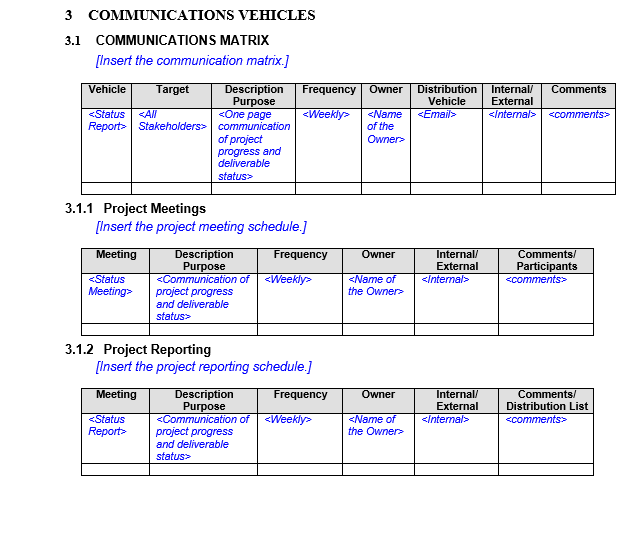
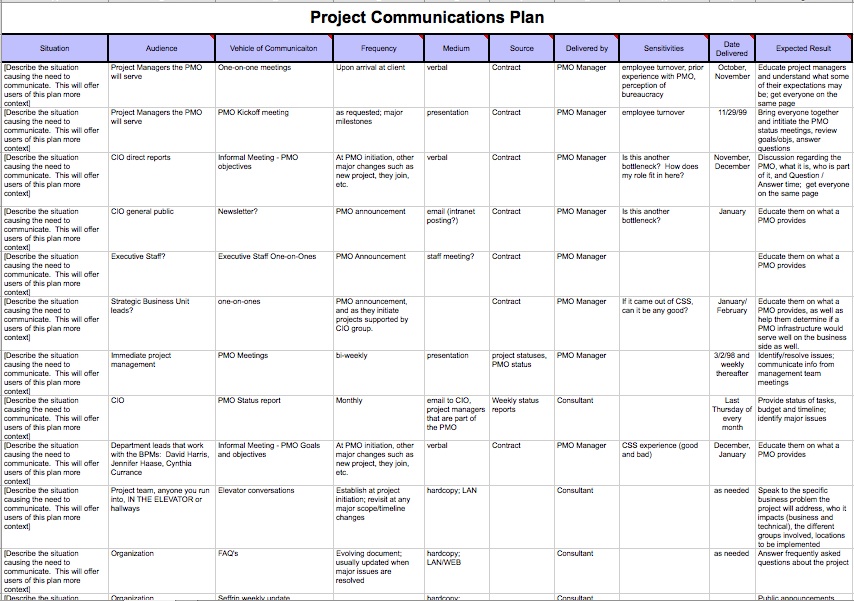
3. Communication Matrix
The communication matrix is a table that maps stakeholders to specific communication activities. It outlines who is responsible for delivering each communication, what information will be shared, the frequency of communication, the communication method, and the target audience. This matrix provides a clear overview of the communication flow and responsibilities. For example:
| Communication Item | Audience | Frequency | Method | Owner |
|---|---|---|---|---|
| Project Status Report | Project Sponsor, Management | Weekly | Email, Project Management Software | Project Manager |
| Team Meeting | Project Team | Daily | In-Person, Video Conference | Team Lead |
| Risk Assessment Update | Project Team, Sponsor | Monthly | Presentation, Risk Register | Risk Manager |
4. Communication Methods and Channels
Determine the most appropriate communication methods and channels for different types of information and stakeholders. Consider factors like the urgency of the information, the complexity of the message, and the preferences of the audience. Options include:
- Email: Suitable for general updates, formal documentation, and non-urgent communication.
- Meetings: Effective for complex discussions, problem-solving, and team collaboration.
- Project Management Software: Provides a central repository for project information, tasks, and progress tracking.
- Instant Messaging: Useful for quick questions, real-time updates, and informal communication.
- Presentations: Ideal for sharing project status, presenting key findings, and obtaining stakeholder buy-in.
- Reports: Formal documents summarizing project progress, risks, and issues.
- Newsletters/Blogs: Distributing information across the wider project landscape, and provide a point of contact for ongoing project updates.
5. Escalation Procedures
Establish clear procedures for escalating issues and concerns. Define the roles and responsibilities for resolving issues at different levels and specify the communication channels to be used. This ensures that problems are addressed promptly and effectively, preventing them from escalating into major roadblocks.
6. Communication Roles and Responsibilities
Clearly define the roles and responsibilities for all communication activities. Who is responsible for preparing and distributing project status reports? Who is the point of contact for stakeholder inquiries? Who is responsible for managing communication during a crisis? Clearly assigning responsibilities ensures that no communication tasks fall through the cracks.
7. Communication Frequency and Timing
Specify the frequency and timing of different communication activities. How often will project status reports be issued? When will team meetings be held? When will stakeholders receive updates on key milestones? Establishing a consistent communication schedule helps manage expectations and ensures that stakeholders receive timely information.
8. Communication Tools and Technologies
Identify the tools and technologies that will be used to support communication activities. This may include project management software, collaboration platforms, email systems, video conferencing tools, and document sharing platforms. Ensure that all stakeholders have access to the necessary tools and are trained on how to use them effectively.
9. Plan Review and Updates
The communication plan should be a living document that is reviewed and updated regularly throughout the project lifecycle. As the project evolves, communication needs may change, and the plan should be adjusted accordingly. Schedule regular reviews to assess the effectiveness of the plan and make any necessary modifications.
Benefits of a Well-Defined Communication Plan
A well-defined project communication plan offers numerous benefits, including:
- Improved stakeholder engagement and satisfaction
- Reduced misunderstandings and conflicts
- Enhanced team collaboration and communication
- Increased transparency and accountability
- Better risk management
- Improved project outcomes
By investing time and effort in developing a comprehensive project communication plan, project managers can significantly increase the likelihood of project success and build strong relationships with stakeholders.
 1000×750 project communication plan from projecttemplates.guru
  638×538 project communication plan template projectcubicle from www.projectcubicle.com
  854×601 projectmanagementcom communication plan from www.projectmanagement.com
  923×473 project management communication plan introduction from trinityis.com
  1500×1125 project communication plan template emmamcintyrephotographycom from emmamcintyrephotography.com
  0 x 0 create project management communication plan teamgantt from www.teamgantt.com
  1280×881 essential guide writing project communication plan from plan.io
  0 x 0 effective project communication plan template teamgantt from www.teamgantt.com
  400×308 project communication plan mpug from www.mpug.com
  1652×923 write project management communication plan lucidchart blog from www.lucidchart.com
  1284×722 communication plan communication plan project from communicationplanstoday.blogspot.com


Tidak ada komentar:
Posting Komentar