Understanding the Stakeholder Analysis Template
A stakeholder analysis template is a structured tool used to identify, understand, and prioritize the individuals, groups, or organizations who have an interest in or are affected by a project, initiative, or organization. It’s a crucial component of project management, strategic planning, and change management, enabling teams to tailor their communication and engagement strategies for optimal outcomes. Essentially, it provides a clear roadmap for navigating the complex landscape of relationships that influence success.
Why Use a Stakeholder Analysis Template?
Using a well-defined template offers numerous advantages. It ensures consistency and thoroughness in identifying all relevant stakeholders. It facilitates a deeper understanding of their needs, expectations, and potential impact (positive or negative). Most importantly, it enables effective communication planning, ensuring the right information reaches the right people at the right time, thereby minimizing resistance and maximizing buy-in. Without a structured approach, stakeholder management can become ad-hoc, reactive, and ultimately less effective.
Key Components of a Typical Template
While the specific format may vary, most stakeholder analysis templates include these core elements:
1. Stakeholder Identification:
This is the first step. It involves brainstorming and meticulously listing all individuals, groups, or organizations that are, or perceive themselves to be, affected by the project or initiative. This can include internal stakeholders (employees, managers, executives) and external stakeholders (customers, suppliers, regulatory bodies, community groups, competitors). Consider direct and indirect impacts. Think broadly and critically; don’t just list the obvious stakeholders.
2. Stakeholder Attributes/Characteristics:
Once you’ve identified your stakeholders, the next step is to define their key attributes. This includes:
- Name/Group: The actual name or group that represents the stakeholder.
- Role/Position: Their position within the organization or their relationship to the project (e.g., Project Sponsor, End User, Regulator).
- Interest/Involvement: The nature and extent of their interest in the project. What do they stand to gain or lose? Are they actively involved, passively observing, or somewhere in between?
- Influence/Power: Their ability to influence the project’s outcome. This can stem from their position, their control over resources, their political clout, or their expertise.
- Support/Opposition: Their general attitude towards the project. Are they likely to be supportive, neutral, or resistant? Understand the reasons behind their stance.
- Communication Preferences: How do they prefer to receive information (e.g., email, meetings, reports)? How frequently do they need to be updated?
3. Stakeholder Assessment/Analysis:
This section involves a more in-depth evaluation of each stakeholder based on the attributes defined above. Common analysis techniques include:
- Power/Interest Grid: A visual tool that plots stakeholders on a matrix based on their level of power and their level of interest. This helps prioritize engagement efforts. High-power, high-interest stakeholders require the most attention, while low-power, low-interest stakeholders may only need to be monitored.
- Influence/Impact Grid: Similar to the Power/Interest Grid, but focuses on the stakeholders’ ability to influence the project versus the project’s potential impact on them.
- Stakeholder Prioritization Matrix: A table or grid that ranks stakeholders based on pre-defined criteria (e.g., importance, influence, urgency). This helps determine where to focus your resources.
4. Engagement Strategy:
This is the action-oriented component of the template. It outlines the specific strategies for engaging with each stakeholder based on their attributes and analysis. This includes:
- Communication Plan: A detailed plan outlining what information will be communicated to each stakeholder, when, how, and by whom.
- Engagement Tactics: Specific actions to be taken to build relationships, address concerns, and gain support (e.g., individual meetings, presentations, workshops).
- Contingency Plans: Strategies for mitigating potential risks or addressing negative impacts on stakeholders.
5. Monitoring and Review:
Stakeholder analysis is not a one-time activity. The template should include a mechanism for regularly monitoring the effectiveness of the engagement strategy and making adjustments as needed. Stakeholder attitudes can change over time, and new stakeholders may emerge. This section tracks those changes and documents adjustments to the engagement strategy.
Tips for Effective Use
- Be Comprehensive: Don’t underestimate the number of stakeholders. Consider all possible groups and individuals.
- Be Objective: Avoid making assumptions. Gather data and conduct thorough research to understand stakeholder perspectives.
- Be Realistic: Develop engagement strategies that are feasible and sustainable. Don’t over-promise or under-deliver.
- Be Flexible: The stakeholder landscape is dynamic. Be prepared to adapt your analysis and engagement strategies as needed.
- Involve the Team: Engage the project team in the stakeholder analysis process. This fosters a shared understanding and promotes collaboration.
- Document Everything: Maintain a detailed record of your stakeholder analysis, engagement activities, and outcomes.
By diligently using a stakeholder analysis template, you significantly increase the likelihood of project success by fostering positive relationships, managing expectations, and mitigating potential conflicts. It’s an investment in proactive communication and collaborative decision-making, ultimately leading to better outcomes.
 2560×2177 perfect stakeholder analysis templates excelword templatearchive from templatearchive.com
 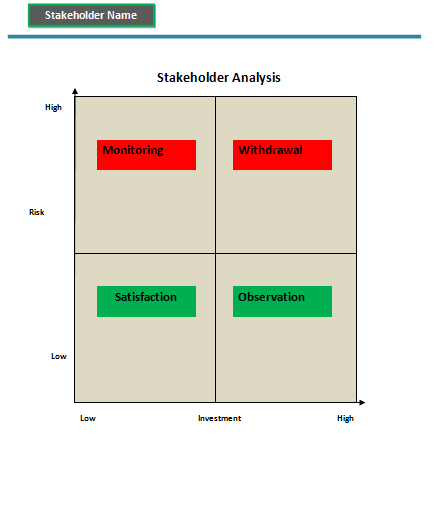 437×527 stakeholder analysis template word templates from www.wordstemplates.org
  1754×1241 stakeholder analysis matrix template from studylib.net
  1516×434 stakeholder analysis templates analyse communicate from www.techno-pm.com
  680×690 stakeholder analysis templates word excel formats from www.wordpdftemplates.com
 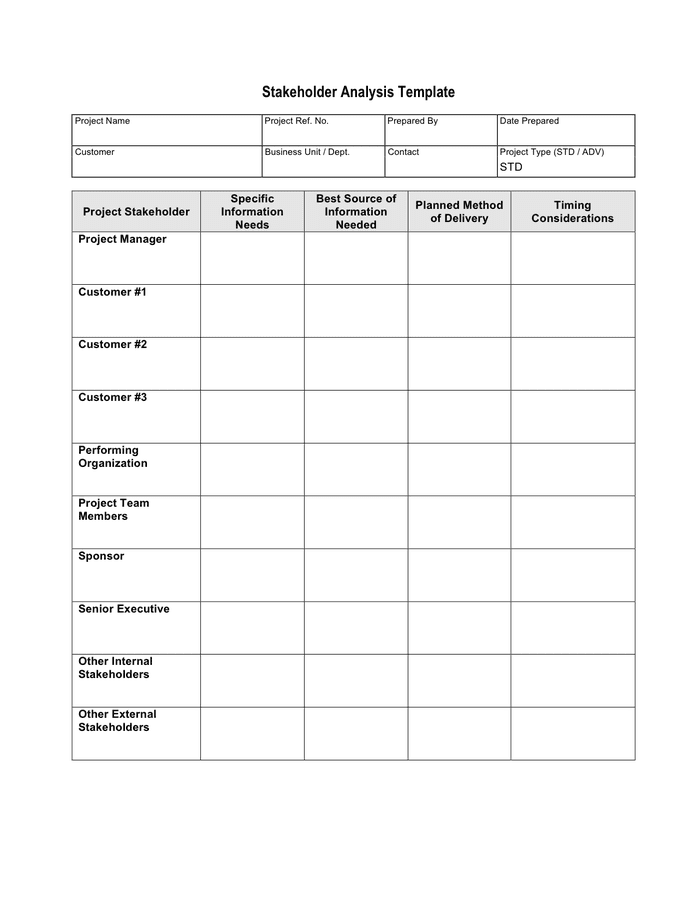 696×900 stakeholder analysis template word formats page from www.dexform.com


Tidak ada komentar:
Posting Komentar