Your Personalized Path to a Smoke-Free Future
Quitting smoking is one of the best decisions you can make for your health. It’s a challenging journey, but with the right plan and support, you can succeed. This comprehensive smoking cessation plan will guide you through the process, offering strategies, resources, and encouragement along the way.
Step 1: Commit to Quitting and Set a Quit Date
The first and most crucial step is making a firm commitment to quit. This involves acknowledging your addiction, understanding its impact on your life, and truly wanting to be free from it. Choose a quit date – a specific day within the next few weeks – that will mark the beginning of your smoke-free life. This date allows you to mentally prepare and gather the necessary tools and support.
Write down your reasons for quitting. These reasons will be your motivation during tough times. Examples include:
- Improving your health and longevity
- Saving money
- Protecting your loved ones from secondhand smoke
- Feeling more energetic
- Setting a positive example for your children
Keep this list visible and refer to it whenever you feel the urge to smoke.
Step 2: Understand Your Smoking Habits
Before you quit, take time to understand your smoking habits. This will help you identify triggers and develop coping mechanisms. Ask yourself these questions:
- When and where do you usually smoke?
- What activities or situations trigger your cravings? (e.g., after meals, with coffee, when stressed)
- Who are you usually with when you smoke?
- What feelings do you associate with smoking? (e.g., relaxation, stress relief, boredom relief)
Keep a smoking diary for a week. Record each cigarette you smoke, the time, the activity you were doing, and your feelings at the time. This diary will reveal patterns and triggers you can address in your plan.
Step 3: Develop Coping Strategies
Knowing your triggers is only half the battle. You need to develop strategies to cope with cravings and avoid relapse. Here are some techniques:
- Nicotine Replacement Therapy (NRT): Consider using NRT products like patches, gum, lozenges, inhalers, or nasal sprays. These products provide a controlled dose of nicotine to reduce withdrawal symptoms without the harmful chemicals in cigarettes. Consult with your doctor or pharmacist to determine the best NRT option for you.
- Prescription Medications: Talk to your doctor about prescription medications like bupropion (Zyban) or varenicline (Chantix). These medications can help reduce cravings and withdrawal symptoms. They work by affecting brain chemicals involved in nicotine addiction.
- Distraction Techniques: When you feel a craving, distract yourself with an activity you enjoy. This could be reading a book, listening to music, calling a friend, going for a walk, or engaging in a hobby.
- Deep Breathing and Relaxation: Practice deep breathing exercises or meditation to manage stress and anxiety. Inhale slowly and deeply through your nose, hold for a few seconds, and exhale slowly through your mouth. Repeat several times.
- Avoid Triggers: If possible, avoid situations or places that trigger your cravings. For example, if you usually smoke after meals, try brushing your teeth or taking a walk instead. If you smoke when drinking coffee, switch to tea or another beverage.
- Stay Hydrated: Drink plenty of water throughout the day. Water can help flush out nicotine from your system and reduce cravings.
- Engage in Physical Activity: Exercise can help reduce stress, improve your mood, and distract you from cravings. Even a short walk can make a difference.
- Change Your Routine: Alter your daily routine to avoid smoking cues. For example, take a different route to work or eat meals in a different room.
- Delay the Urge: Remind yourself that cravings are temporary and usually pass within a few minutes. Try to delay giving in to the urge for as long as possible. Even a few minutes can make a difference.
Step 4: Build a Support System
Quitting smoking is easier with support. Surround yourself with people who encourage and support your efforts. Consider these options:
- Talk to your family and friends: Let them know you are quitting and ask for their support. They can provide encouragement and help you stay on track.
- Join a support group: Consider joining a smoking cessation support group. Sharing your experiences with others who are going through the same thing can be incredibly helpful.
- Talk to a therapist or counselor: A therapist or counselor can provide professional guidance and support to help you overcome your addiction. Cognitive Behavioral Therapy (CBT) is a common and effective therapy for smoking cessation.
- Use online resources: There are many online resources available to help you quit smoking, including websites, forums, and apps. These resources can provide information, support, and tools to help you stay motivated.
Step 5: Prepare for Challenges and Relapses
Quitting smoking is a process, and you may experience setbacks along the way. It’s important to be prepared for challenges and have a plan for dealing with them.
- Identify potential challenges: Think about situations or events that might make you want to smoke. Develop strategies for dealing with these challenges in advance.
- Don’t be discouraged by relapses: If you slip up and smoke, don’t give up. A relapse is not a failure; it’s a learning opportunity. Analyze what triggered the relapse and adjust your plan accordingly.
- Focus on the positive: Remember your reasons for quitting and focus on the benefits of being smoke-free. Celebrate your successes along the way, no matter how small.
Step 6: Maintain Your Smoke-Free Life
Once you’ve quit smoking, it’s important to maintain your smoke-free life. Continue using the coping strategies you developed, and avoid triggers that might lead to relapse. Stay connected with your support system, and celebrate your success.
- Stay vigilant: Even after months or years of being smoke-free, you may still experience cravings. Be prepared to deal with these cravings and avoid complacency.
- Continue to practice healthy habits: Exercise regularly, eat a healthy diet, and get enough sleep. These habits will help you manage stress and maintain your overall well-being.
- Reward yourself: Treat yourself to something you enjoy as a reward for staying smoke-free. This will help you stay motivated and reinforce your commitment to quitting.
Quitting smoking is a journey, not a destination. Be patient with yourself, celebrate your progress, and never give up on your goal of living a smoke-free life.
 662×600 quit smoking plan template simple template design from pictimilitude.com
  1024×768 pearls smoking cessation core im podcast from www.coreimpodcast.com
  1154×1800 smoking cessation guidelines health professionals update from thegraytower.blogspot.com
  1496×1156 smoking cessation brochure public health dayton montgomery from issuu.com
  931×1024 smoking cessation interventions support attempts quitting from regulatorwatch.com
  300×406 smoking cessation quit smoking froedtert mcw from www.froedtert.com
 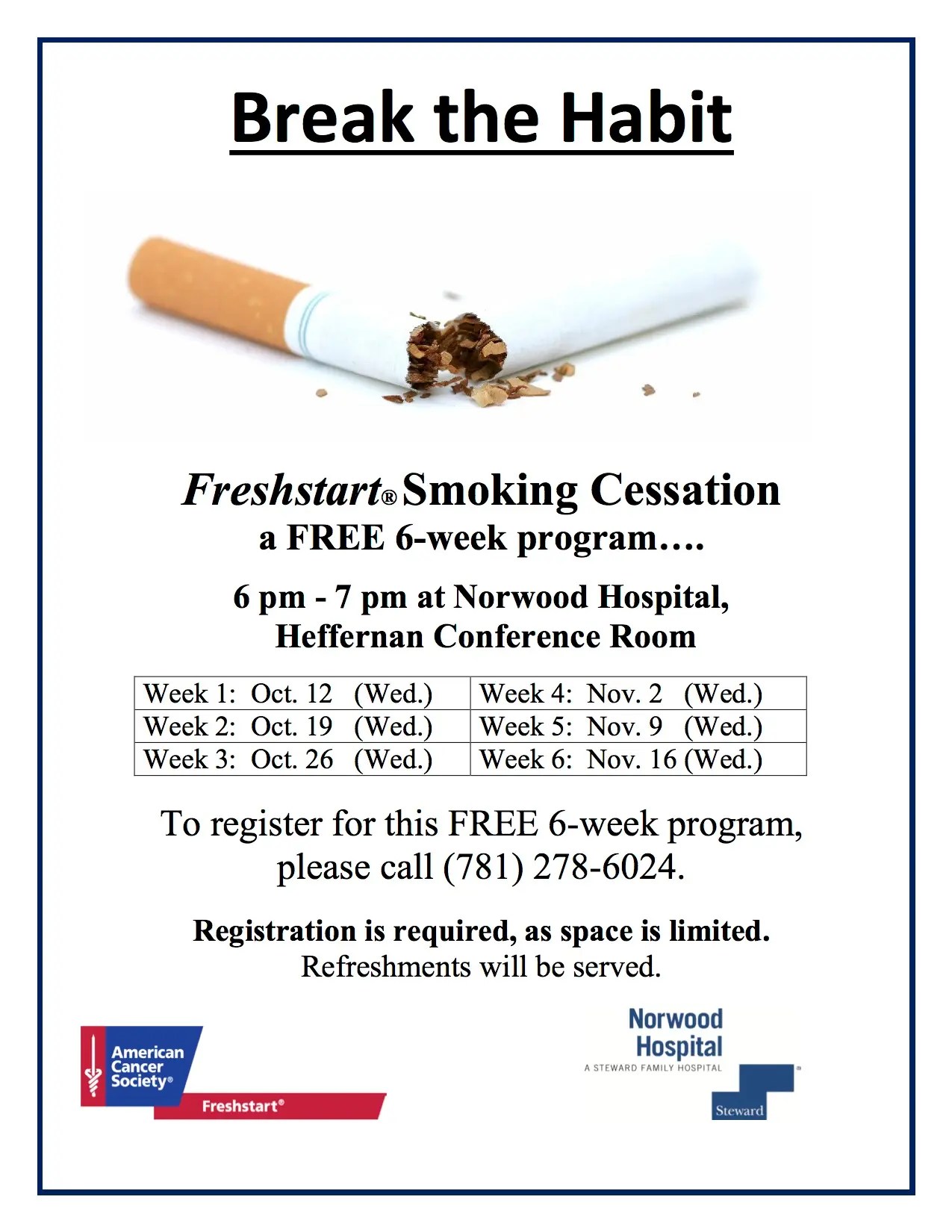 1275×1650 norwood hospital offers smoking cessation program norwood ma from patch.com
  1200×627 finding effective smoking cessation program bri benefit resource from www.benefitresource.com
  2060×1456 ready quit smoking chps offers tobacco cessation program wright from www.wpafb.af.mil


Tidak ada komentar:
Posting Komentar