A lesson plan template is a structured format that helps educators organize and prepare for teaching a specific lesson. It acts as a roadmap, guiding the instructor through the lesson’s objectives, activities, assessment methods, and resources. While numerous variations exist, a well-designed template provides a framework for effective instruction and ensures that essential components are considered.
Benefits of Using a Lesson Plan Template
Employing a lesson plan template offers several advantages:
- Organization and Clarity: A template provides a clear structure, ensuring that all key elements of the lesson are thoughtfully planned and logically sequenced. This promotes clarity for both the teacher and the students.
- Efficiency: Templates streamline the planning process by providing pre-defined sections and prompts, saving time and effort. Instead of starting from scratch each time, educators can simply fill in the required information.
- Consistency: Using a consistent template across multiple lessons ensures a uniform approach to instruction, making it easier to track progress and identify areas for improvement.
- Alignment with Standards: A well-designed template includes sections for aligning the lesson with relevant learning standards or curriculum objectives. This ensures that instruction is purposeful and contributes to broader educational goals.
- Differentiation: Many templates include sections for planning differentiated activities to cater to the diverse learning needs of students. This promotes inclusivity and ensures that all students can access and engage with the material.
- Assessment: Templates often incorporate spaces for planning formative and summative assessments, allowing teachers to gauge student understanding and adjust instruction accordingly.
- Reflection and Improvement: After the lesson, the template can be used to reflect on what worked well, what could be improved, and how to adapt the lesson for future use.
Key Components of a Lesson Plan Template
While the specific components may vary depending on the subject, grade level, and school district, most effective lesson plan templates include the following elements:
- Lesson Title and Subject: A clear and concise title that accurately reflects the lesson’s content. The subject area (e.g., Math, Science, English) should also be specified.
- Grade Level and Time Allotment: Indicate the target grade level for the lesson and the estimated duration of the lesson in minutes or hours.
- Learning Objectives: Clearly stated objectives that describe what students will be able to do by the end of the lesson. Objectives should be specific, measurable, achievable, relevant, and time-bound (SMART). Examples include “Students will be able to identify the main idea of a paragraph” or “Students will be able to solve multi-step word problems involving addition and subtraction.”
- Learning Standards: Identify the relevant learning standards or curriculum objectives that the lesson addresses. This ensures alignment with established educational goals. Examples include Common Core State Standards (CCSS) or Next Generation Science Standards (NGSS).
- Materials and Resources: List all the materials and resources needed for the lesson, such as textbooks, worksheets, technology tools, art supplies, or manipulatives. This ensures that the teacher is prepared and has everything readily available.
- Prior Knowledge: Briefly describe the prior knowledge or skills that students should possess before beginning the lesson. This helps the teacher to bridge the gap between what students already know and what they will learn.
- Lesson Procedure: This is the heart of the lesson plan and outlines the step-by-step activities and strategies that will be used to teach the lesson. It typically includes the following phases:
- Introduction/Anticipatory Set: A brief activity or discussion to engage students’ attention and activate prior knowledge.
- Direct Instruction/Modeling: The teacher explicitly presents the new information or skill, providing examples and demonstrating the process.
- Guided Practice: Students practice the new skill under the teacher’s guidance, receiving feedback and support as needed.
- Independent Practice: Students practice the skill independently, applying what they have learned.
- Closure: A brief review or summary of the lesson’s key concepts.
- Differentiation: Describe how the lesson will be adapted to meet the needs of diverse learners. This may include providing differentiated activities, modifying assignments, or offering additional support.
- Assessment: Outline the methods that will be used to assess student understanding. This may include formative assessments (e.g., questioning, observation, exit tickets) and summative assessments (e.g., quizzes, tests, projects).
- Technology Integration: Describe how technology will be used to enhance the lesson. This may include using online resources, interactive whiteboards, or educational apps.
- Reflection: After the lesson, the teacher should reflect on what worked well, what could be improved, and how to adapt the lesson for future use. This section may include questions such as “What were the strengths of the lesson?” “What challenges did students face?” and “How could I improve student engagement?”
Adapting the Template
It’s important to remember that a lesson plan template is a guide, not a rigid prescription. Teachers should feel free to adapt the template to meet their specific needs and the needs of their students. Consider the following tips for adapting a template:
- Consider the Subject and Grade Level: A template designed for elementary mathematics will likely differ from one designed for high school literature.
- Align with School or District Requirements: Some schools or districts may have specific requirements for lesson plan format.
- Reflect Your Teaching Style: Choose a template that aligns with your preferred teaching style and approach.
- Regularly Review and Revise: As you gain experience, regularly review and revise your template to ensure that it remains effective and relevant.
By utilizing a well-designed and thoughtfully adapted lesson plan template, educators can create engaging and effective learning experiences for their students, fostering deeper understanding and promoting academic success.
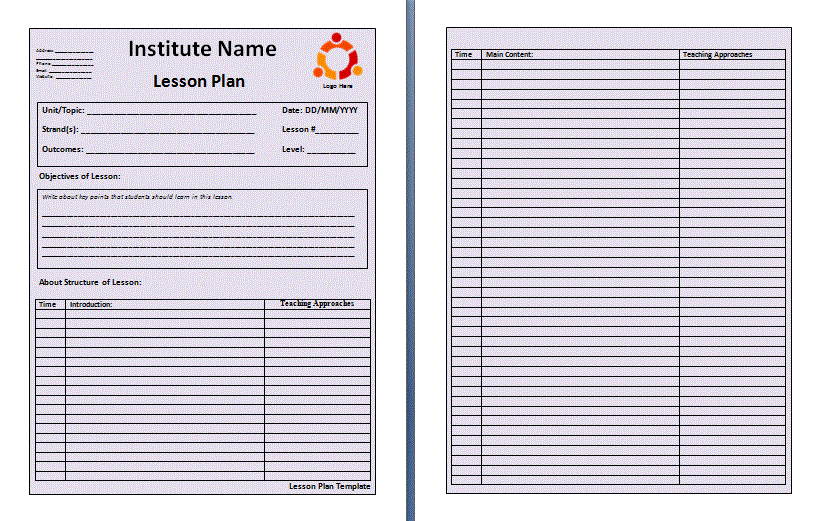 474×301 lesson plan template word templates from www.wordstemplates.org
 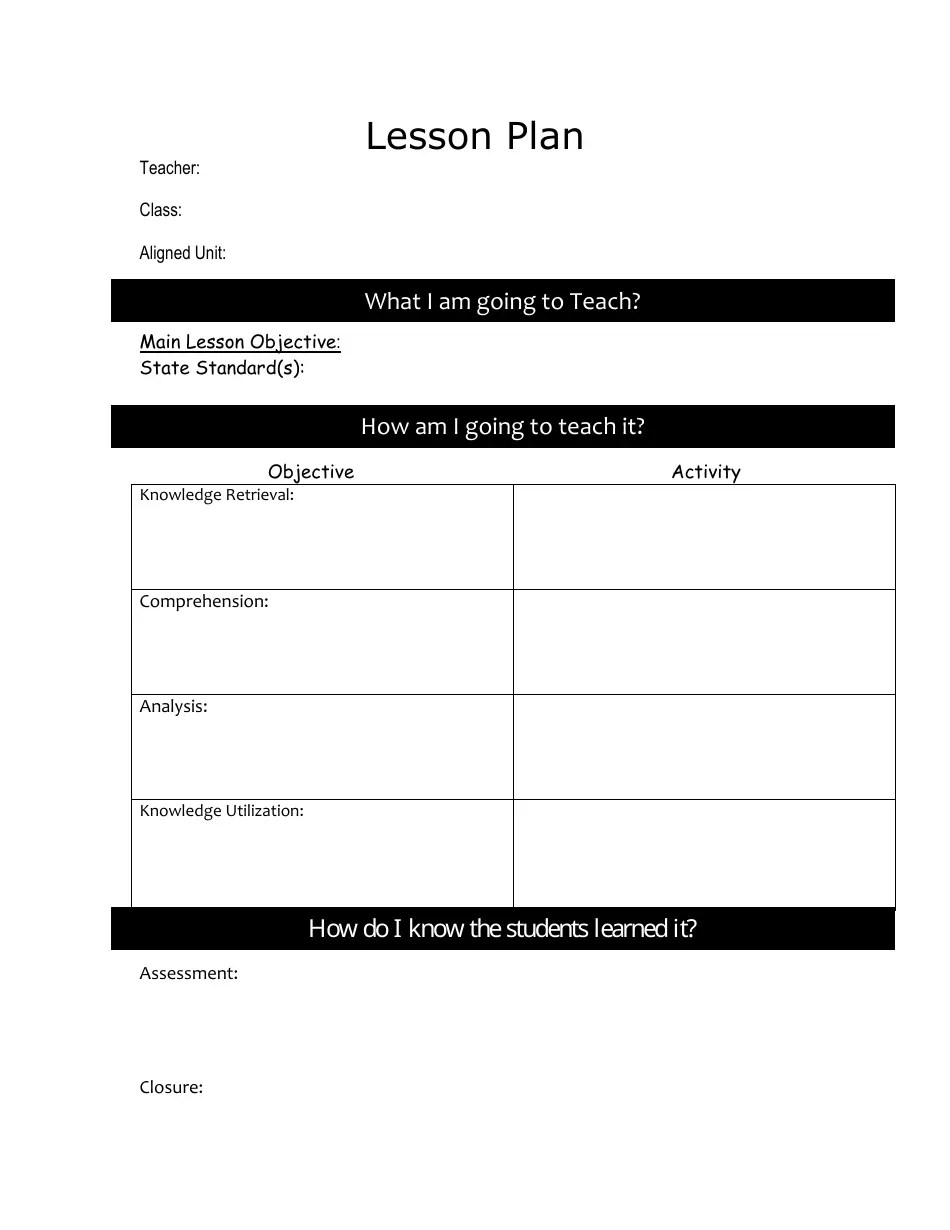 950×1230 lesson plan template black white printable from www.templateroller.com
  556×417 lesson plan template teaching resources from www.tes.com
  1588×2052 lesson plan template editable etsy from www.etsy.com
  956×651 lesson plan template fotolipcom rich image wallpaper from www.fotolip.com
  1932×2500 lesson plan templates common core preschool weekly from templatelab.com
  772×1000 blank lesson plan template fun teaching from www.havefunteaching.com
 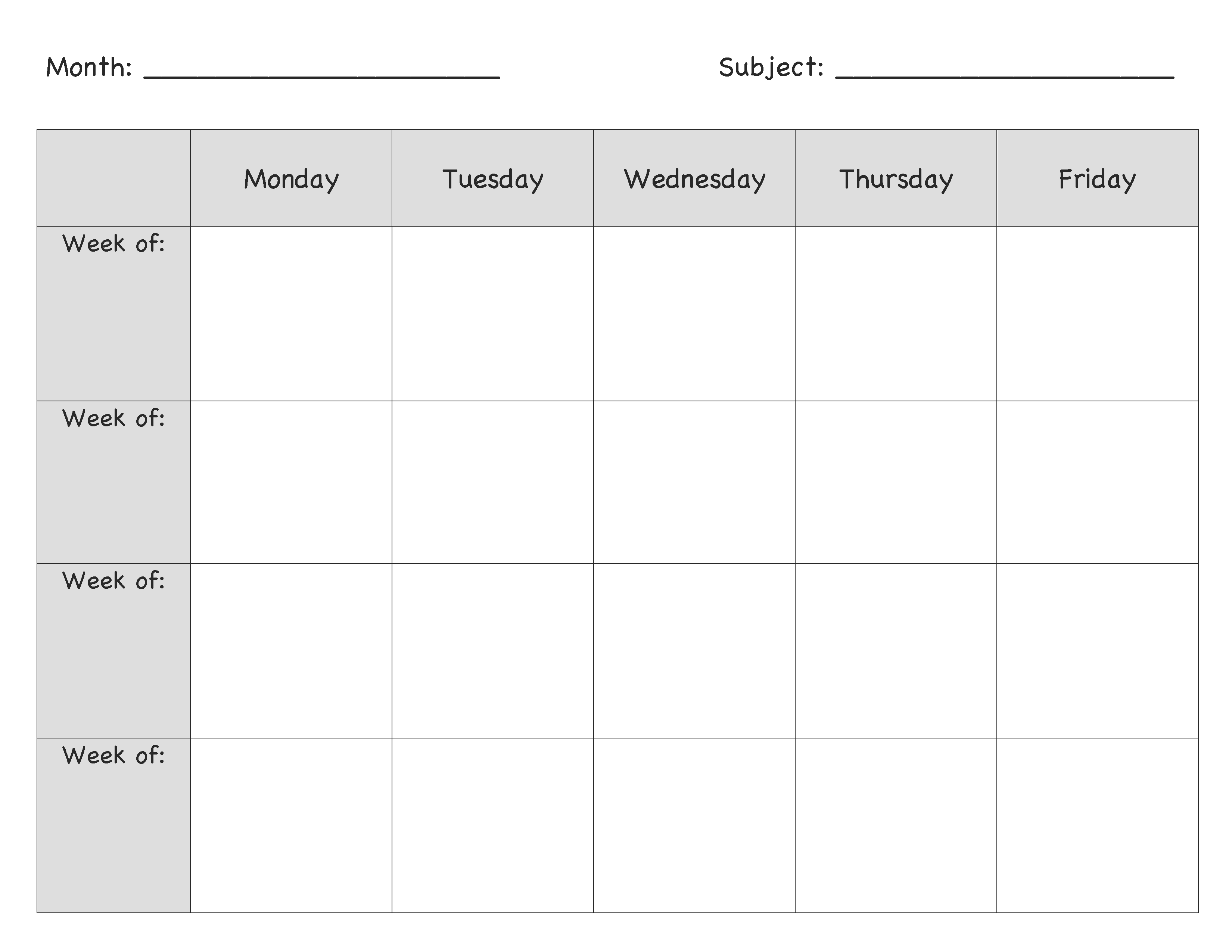 3300×2550 englishlinxcom lesson plan template worksheets from englishlinx.com
  791×1024 lesson plan templates excel formats from www.wordstemplates.com
  768×994 lesson plan template examples from www.slideshare.net
768×994 lesson plan template examples from www.slideshare.net 


Tidak ada komentar:
Posting Komentar