Brand Style Guide Template: A Comprehensive Guide
A brand style guide is a crucial document for any organization, regardless of size. It serves as a blueprint, outlining the visual and written elements that define your brand’s identity and ensuring consistency across all communications. Think of it as the brand’s Bible, providing clear guidelines for how your brand should be presented to the world.
Why Use a Brand Style Guide Template?
Creating a brand style guide from scratch can be daunting. That’s where a template comes in. A template provides a pre-structured framework, saving you time and effort while ensuring you cover all the essential aspects of your brand. It offers a starting point, which you can then customize to perfectly reflect your unique brand personality and values.
Key Components of a Brand Style Guide Template
A comprehensive brand style guide template should cover these key components:
1. Brand Overview
This section sets the stage, providing a brief introduction to your brand’s mission, vision, and values. It should articulate what your brand stands for and what it aims to achieve. Key elements include:
- Mission Statement: A concise statement defining your brand’s purpose.
- Vision Statement: A description of your brand’s aspirations for the future.
- Core Values: The guiding principles that underpin your brand’s actions and decisions.
- Brand Personality: Describing the character of your brand. Is it playful, serious, innovative, or traditional?
2. Logo Usage
Your logo is the cornerstone of your brand identity. This section outlines how and when to use it correctly. Key elements include:
- Primary Logo: The main version of your logo.
- Secondary Logo: Alternate versions for different applications (e.g., a stacked version for vertical spaces).
- Logo Clear Space: The minimum amount of space required around the logo to ensure visibility and prevent crowding.
- Logo Color Variations: Approved color versions (e.g., black and white, reverse).
- Do’s and Don’ts: Examples of incorrect logo usage (e.g., stretching, distorting, changing colors).
- Minimum Size: The smallest size the logo can be reproduced at while maintaining legibility.
3. Color Palette
Colors evoke emotions and contribute significantly to brand recognition. This section defines your brand’s primary and secondary color palettes. Key elements include:
- Primary Colors: The core colors that represent your brand.
- Secondary Colors: Complementary colors that can be used to add visual interest.
- Color Codes: Specifying the exact color values using HEX, RGB, and CMYK codes.
- Color Usage: Guidelines on how to use the colors effectively in different contexts.
4. Typography
Typography plays a crucial role in shaping your brand’s voice and readability. This section specifies the fonts to be used for different purposes. Key elements include:
- Primary Font: The main font used for headings and titles.
- Secondary Font: The font used for body text.
- Font Sizes and Styles: Recommended font sizes and styles (e.g., bold, italic) for different elements.
- Font Pairing: Guidelines on how to combine fonts effectively.
- Accessibility Considerations: Ensuring font choices are readable and accessible for all users.
5. Imagery
Visuals are powerful communication tools. This section defines the style and tone of imagery that aligns with your brand. Key elements include:
- Photography Style: Describing the preferred style of photography (e.g., natural, documentary, staged).
- Illustration Style: Specifying the type of illustrations to be used (e.g., minimalist, detailed, hand-drawn).
- Image Tone and Mood: Describing the overall feeling that images should evoke (e.g., optimistic, serious, playful).
- Image Usage: Guidelines on how to use images effectively in different contexts.
6. Voice and Tone
How your brand communicates through words is just as important as its visual identity. This section defines your brand’s voice and tone. Key elements include:
- Brand Voice: Describing the personality of your brand’s communication (e.g., formal, informal, humorous, serious).
- Tone of Voice: How the voice adapts to different situations (e.g., empathetic when addressing customer issues, enthusiastic when announcing new products).
- Grammar and Style: Guidelines on grammar, punctuation, and writing style.
- Word Choice: Defining key words and phrases to use or avoid.
- Examples: Providing examples of how the brand voice should be applied in different scenarios.
7. Social Media Guidelines
Social media is a vital channel for brand communication. This section outlines specific guidelines for social media platforms. Key elements include:
- Profile Pictures and Banners: Specifying the correct dimensions and usage of profile pictures and banners.
- Content Pillars: Defining the main themes and topics that your brand will cover.
- Hashtag Usage: Recommending relevant hashtags to use.
- Engagement Guidelines: Providing guidance on how to interact with followers and respond to comments.
Customizing Your Brand Style Guide Template
Once you’ve chosen a template, the next step is to customize it to reflect your brand’s unique identity. This involves:
- Replacing Placeholder Content: Filling in the template with your brand’s specific information.
- Adding Brand Assets: Incorporating your logo, color palette, typography, and imagery.
- Adjusting the Structure: Modifying the sections and organization of the template to suit your needs.
- Refining the Guidelines: Tailoring the guidelines to align with your brand’s specific goals and objectives.
Maintaining and Updating Your Brand Style Guide
A brand style guide is not a static document. It should be regularly reviewed and updated to reflect changes in your brand’s identity, market trends, and technological advancements. By keeping your brand style guide current, you can ensure that your brand remains consistent and relevant over time.
A well-defined brand style guide, built from a solid template, is an invaluable asset for any organization. It empowers your team, partners, and anyone communicating on behalf of your brand to do so with clarity, consistency, and confidence.
 1200×2400 brand style guide template business coach libby from libbyco.com
  750×971 freebie brand style guide template tuesday blog tuesday from every-tuesday.com
  1100×733 brand manual style guide templates premium from designshack.net
 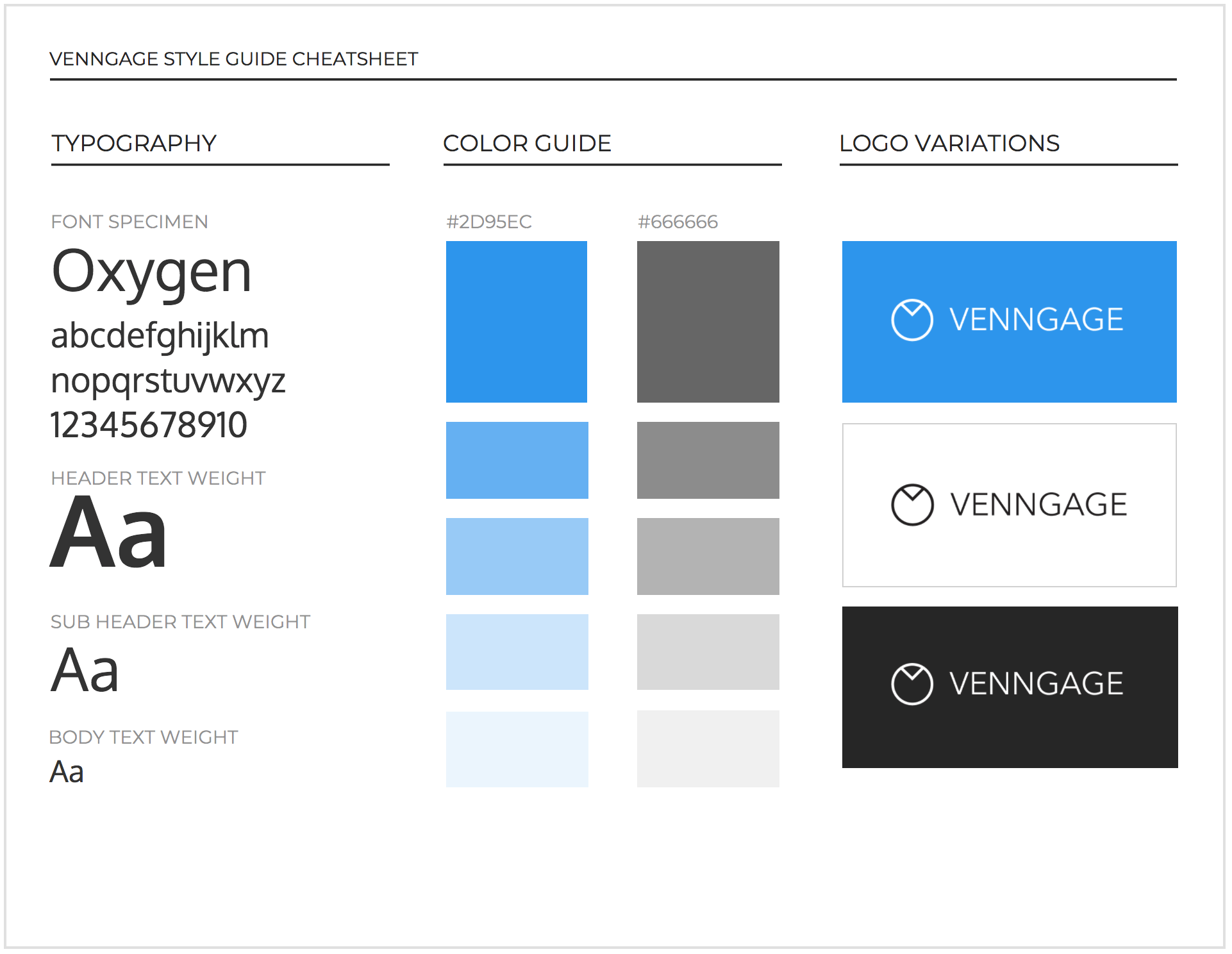 0 x 0 create brand style guidelines venngage from venngage.com
  1999×1441 brand guidelines template brand guidelines templates from www.heritagechristiancollege.com
  2320×1552 minimal brand guidelines template creative from creativemarket.com
  1500×1023 brand style guides templates design resources graphic design forum from www.graphicdesignforum.com
  1160×772 brand style guide templates premium from justcreative.com
  1580×1080 brand guidelines templates examples tips consistent branding from venngage.com


Tidak ada komentar:
Posting Komentar