Disciplinary Action Form: A Comprehensive Guide
A disciplinary action form is a crucial document used by employers to formally address employee misconduct or performance issues. It serves as a record of the disciplinary process, ensuring fairness, consistency, and legal compliance. Understanding the purpose, components, and proper usage of this form is essential for both employers and employees.
Purpose of the Disciplinary Action Form
The primary purposes of a disciplinary action form are to:
- Document Misconduct: Clearly and accurately record the specific incident or pattern of behavior that led to the disciplinary action. This establishes a verifiable account of the issue.
- Communicate Expectations: Inform the employee of the expected standards of conduct and performance. It clarifies what needs to change and what consequences will follow if improvements are not made.
- Promote Improvement: Provide an opportunity for the employee to improve their behavior or performance. The form often includes a plan for improvement, outlining specific steps and timelines.
- Ensure Consistency: Help maintain consistency in the application of company policies and procedures. Using a standardized form reduces the risk of bias or discrimination.
- Protect the Employer: Provide documentation that can be used to defend against potential legal claims, such as wrongful termination. A well-documented disciplinary process is crucial for legal defensibility.
Key Components of a Disciplinary Action Form
While the specific format may vary, a typical disciplinary action form usually includes the following sections:
- Employee Information: Name, job title, department, and employee ID number. This identifies the employee involved.
- Date and Time of Incident(s): Precise dates, times, and locations of the specific incident(s) that led to the disciplinary action. Accuracy is paramount.
- Description of the Incident(s): A detailed, objective, and factual account of the misconduct or performance issue. Avoid subjective opinions or assumptions. Stick to the facts. Use direct quotes if possible and relevant.
- Company Policy Violation: Identification of the specific company policy or rule that was violated. Reference the specific section or clause of the policy.
- Impact of the Incident(s): Explanation of the negative impact of the employee’s actions on the company, other employees, or customers. This demonstrates the seriousness of the issue.
- Prior Warnings or Counseling: Documentation of any previous warnings, counseling sessions, or performance improvement plans related to similar issues. This shows a progressive approach to discipline.
- Disciplinary Action Taken: A clear statement of the disciplinary action being taken, such as a verbal warning, written warning, suspension, or termination. The action must be consistent with company policy and the severity of the offense.
- Improvement Plan (if applicable): A specific plan outlining the steps the employee needs to take to improve their performance or behavior. This may include training, coaching, or other support resources. Include clear timelines and measurable goals.
- Consequences of Failure to Improve: A clear statement of the consequences that will result if the employee fails to meet the requirements of the improvement plan.
- Employee Comments: A space for the employee to provide their perspective on the incident and the disciplinary action. The employee should be encouraged to provide any relevant information or context.
- Signatures and Dates: Signatures of the employee, the supervisor or manager issuing the disciplinary action, and a witness (if required). The dates should reflect when each party signed the form.
Best Practices for Using Disciplinary Action Forms
To ensure fairness, effectiveness, and legal compliance, employers should follow these best practices when using disciplinary action forms:
- Be Timely: Address the misconduct or performance issue as soon as possible after it occurs. Delaying disciplinary action can undermine its effectiveness.
- Be Objective: Focus on the facts and avoid subjective opinions or assumptions. Use clear and concise language.
- Be Consistent: Apply disciplinary actions consistently across all employees. Treat similar offenses in a similar manner to avoid claims of discrimination.
- Document Everything: Maintain accurate and complete records of all disciplinary actions, including supporting documentation such as emails, witness statements, or performance reviews.
- Provide Due Process: Give the employee an opportunity to explain their side of the story. Consider their perspective and any mitigating circumstances.
- Follow Company Policy: Ensure that all disciplinary actions are consistent with company policies and procedures.
- Consult with HR: Consult with the human resources department before issuing any disciplinary action, especially for more serious offenses. HR can help ensure compliance with legal requirements and company policies.
- Maintain Confidentiality: Treat disciplinary matters with confidentiality. Only share information with those who have a legitimate need to know.
Conclusion
A properly implemented disciplinary action form is a valuable tool for managing employee performance and behavior. By understanding its purpose, components, and best practices, employers can create a fair, consistent, and legally defensible disciplinary process that benefits both the organization and its employees.
 770×1024 disciplinary action form fill printable fillable blank from disciplinary-action-form.pdffiller.com
  1932×2500 employee disciplinary action forms templatelab from templatelab.com
 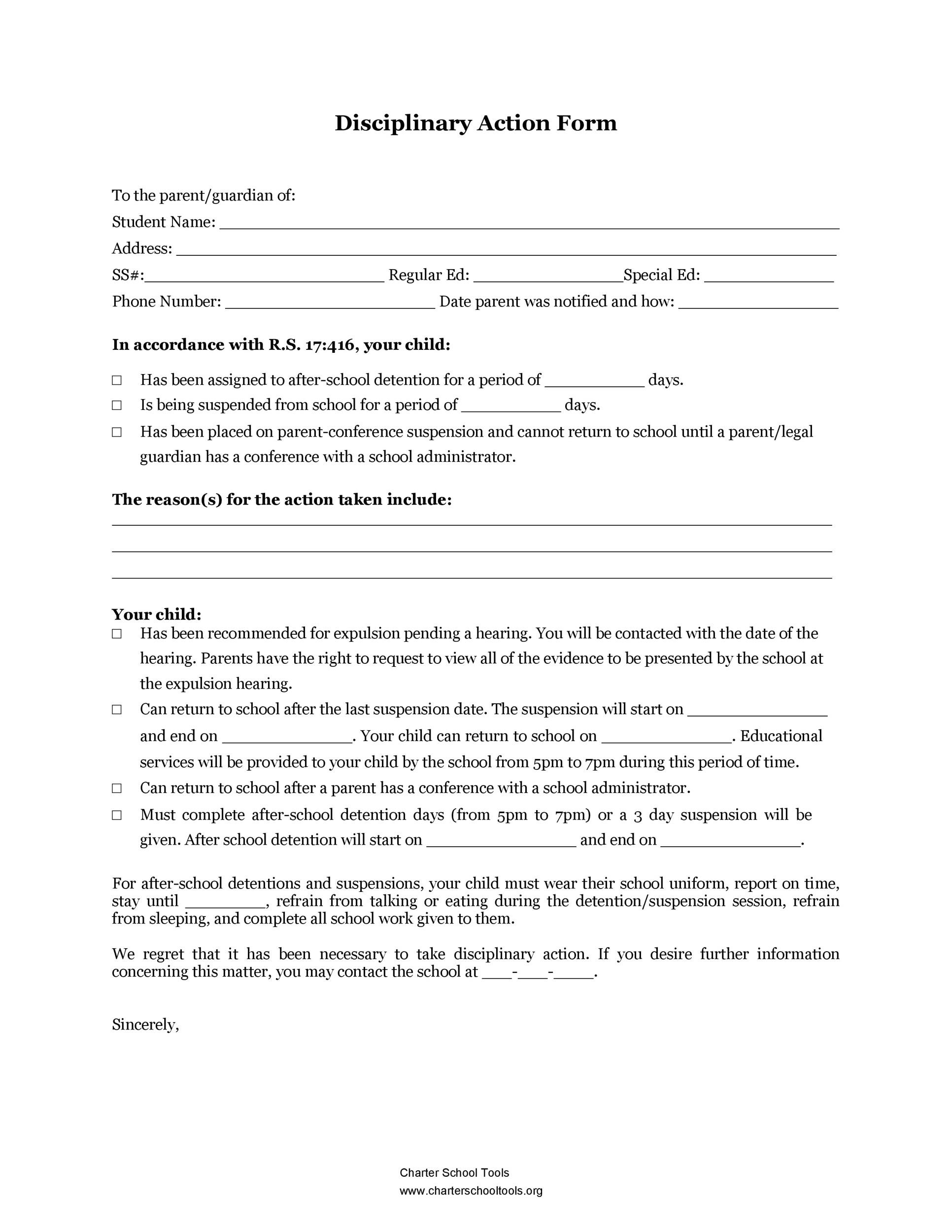 1932×2500 employee disciplinary action forms template lab from templatelab.com
  633×880 disciplinary action form sample mous syusa from moussyusa.com
  390×475 disciplinary action form word documents from www.template.net
 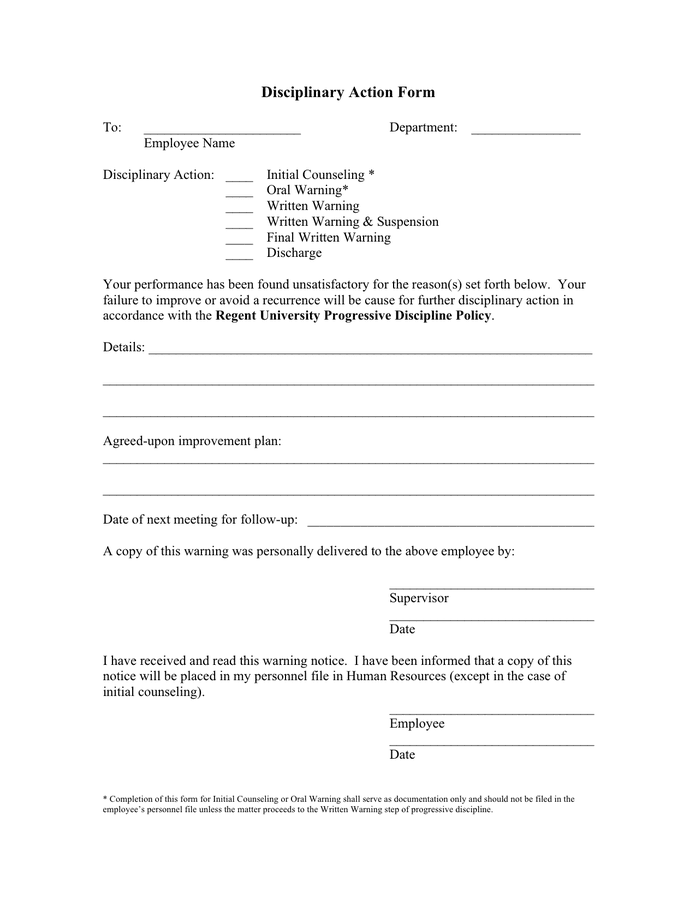 696×900 disciplinary action form word formats from www.dexform.com
 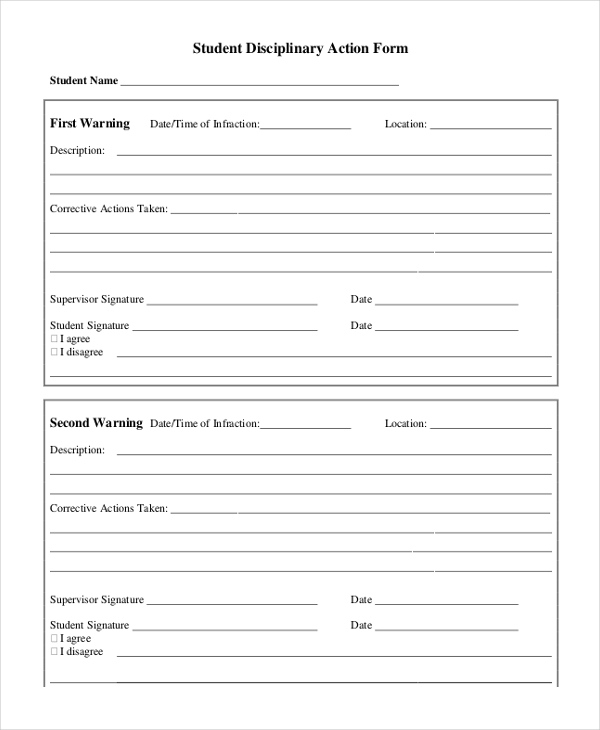 600×730 sample disciplinary action forms ms word from www.sampleforms.com
 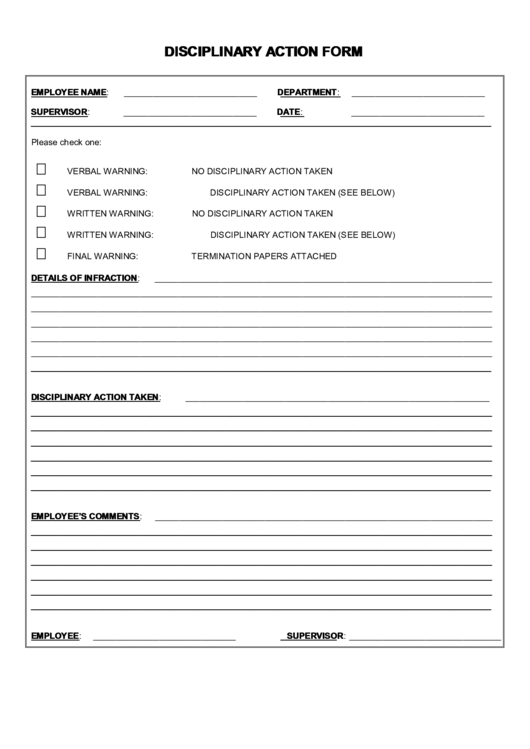 530×749 disciplinary action form printable from www.formsbank.com
 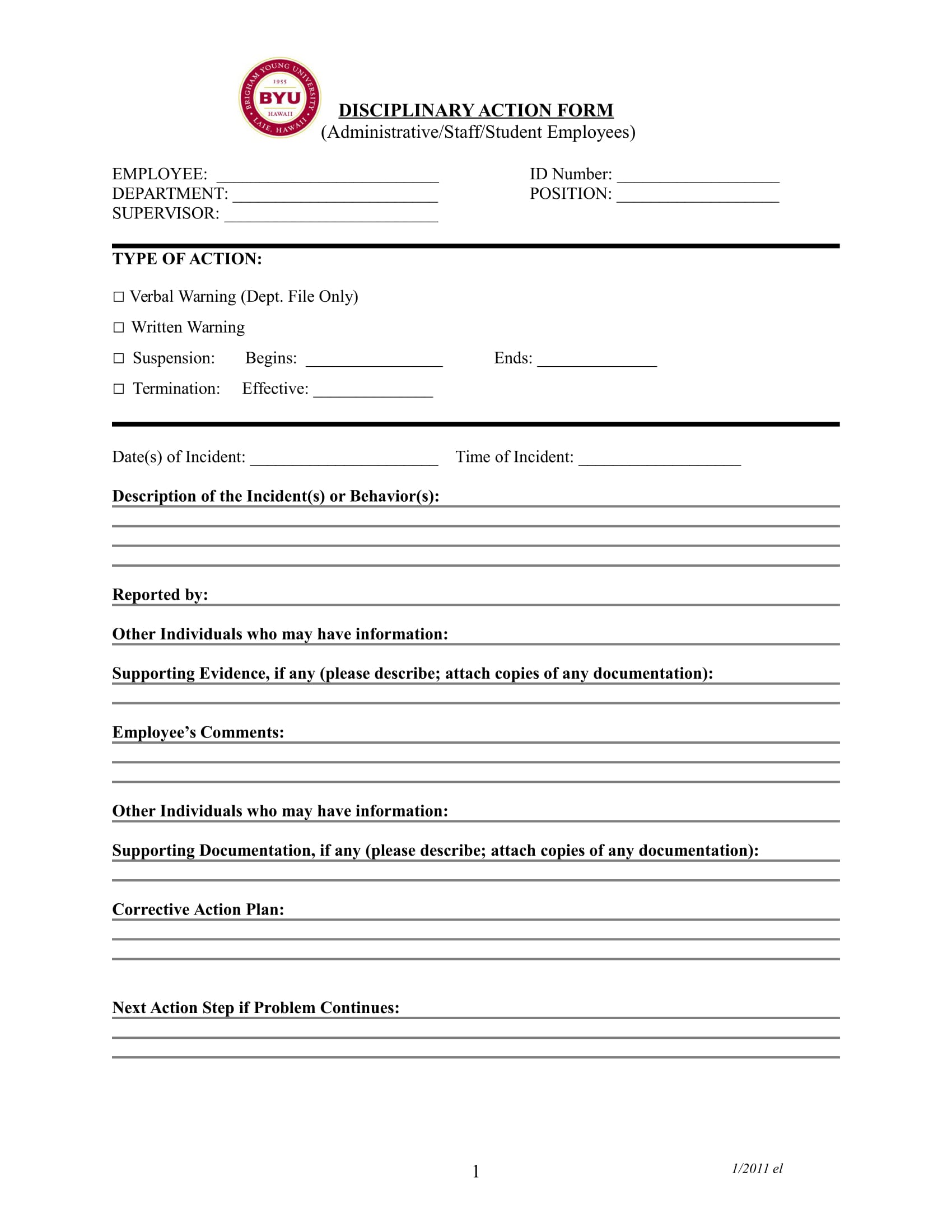 1700×2200 disciplinary action form examples from www.examples.com
  654×751 disciplinary action form from www.inpaspages.com


Tidak ada komentar:
Posting Komentar