“`html
Crafting a Winning Event Marketing Plan
Event marketing, when executed strategically, can be a powerful tool for brand building, lead generation, and customer engagement. A well-defined event marketing plan is the roadmap to ensuring your event achieves its objectives and delivers a strong return on investment (ROI). Here’s a comprehensive guide to developing such a plan:
1. Define Your Event Goals and Objectives
Before anything else, clearly articulate what you want to achieve with your event. What specific outcomes are you aiming for? Be specific and measurable. Examples include:
- Increase brand awareness by X%
- Generate Y qualified leads
- Drive Z number of product demos
- Boost social media engagement by A%
- Close B number of sales deals
Understanding your objectives allows you to tailor your marketing efforts and track your progress effectively.
2. Identify Your Target Audience
Who are you trying to reach with your event? The more detailed your understanding of your target audience, the better you can tailor your marketing messages and choose the most effective channels to reach them. Consider:
- Demographics (age, gender, location, income)
- Psychographics (interests, values, lifestyle)
- Professional background (industry, job title)
- Pain points and needs
Create buyer personas to represent your ideal attendees. This will help you visualize your audience and personalize your marketing efforts.
3. Determine Your Event Type and Format
The type of event will significantly influence your marketing approach. Consider:
- Conference: Focus on industry experts, keynote speakers, and educational sessions.
- Trade show: Emphasize product demonstrations, networking opportunities, and lead generation.
- Webinar: Highlight valuable content and interactive Q&A sessions.
- Workshop: Promote hands-on learning and skill development.
- Product launch: Generate buzz and excitement around a new product.
- Company anniversary: Celebrate milestones and strengthen brand loyalty.
Also consider the format: in-person, virtual, or hybrid. Each format requires a different marketing strategy.
4. Develop a Compelling Event Theme and Messaging
Create a compelling theme that resonates with your target audience and reflects the event’s objectives. Your messaging should be clear, concise, and persuasive, highlighting the benefits of attending. Focus on what attendees will gain, such as:
- Learning new skills
- Networking with industry leaders
- Discovering innovative solutions
- Improving their business
5. Choose the Right Marketing Channels
Select the marketing channels that are most likely to reach your target audience. Consider a mix of online and offline channels:
- Social Media: Utilize platforms like LinkedIn, Facebook, Twitter, and Instagram to promote your event, share updates, and engage with potential attendees. Run targeted ad campaigns.
- Email Marketing: Build an email list and send targeted email campaigns to promote your event, provide updates, and offer early-bird discounts.
- Website and Landing Pages: Create a dedicated event website or landing page with detailed information, registration forms, and speaker bios.
- Search Engine Optimization (SEO): Optimize your website and content for relevant keywords to improve search engine rankings and drive organic traffic.
- Paid Advertising (PPC): Use platforms like Google Ads to target specific keywords and demographics and drive traffic to your event website.
- Content Marketing: Create blog posts, articles, videos, and infographics related to your event topic to attract potential attendees and establish your expertise.
- Public Relations (PR): Reach out to media outlets and industry influencers to generate coverage and awareness for your event.
- Partnerships: Collaborate with complementary businesses or organizations to cross-promote your event to their audiences.
- Offline Marketing: Consider traditional marketing methods like print ads, brochures, and direct mail for specific target audiences.
6. Create a Content Calendar and Schedule
Develop a content calendar outlining the type of content you will create, the channels you will use, and the schedule for publishing it. Ensure a consistent stream of engaging content leading up to the event.
7. Implement a Registration and Ticketing System
Make it easy for people to register for your event. Use a reliable ticketing platform that allows you to manage registrations, track attendance, and collect payments securely.
8. Engage Attendees Before, During, and After the Event
Don’t just focus on promoting the event; engage attendees throughout the entire event lifecycle:
- Before the Event: Send welcome emails, share pre-event materials, and encourage social media engagement.
- During the Event: Use social media to share live updates, photos, and videos. Encourage attendees to participate in polls and Q&A sessions.
- After the Event: Send thank-you emails, share post-event content, and gather feedback through surveys.
9. Track and Measure Your Results
Track key metrics to measure the success of your event marketing efforts. These may include:
- Website traffic
- Social media engagement
- Email open and click-through rates
- Registration numbers
- Attendance rates
- Lead generation
- Sales conversions
- Attendee feedback
Analyze the data to identify what worked well and what could be improved for future events. Use the insights to refine your marketing strategy and maximize your ROI.
10. Budget Allocation
Allocate your budget wisely across different marketing channels. Prioritize the channels that are most likely to reach your target audience and deliver the best results. Be prepared to adjust your budget based on performance.
By following these steps, you can create a comprehensive event marketing plan that will help you attract attendees, achieve your event objectives, and maximize your ROI.
“`
 4800×3060 event marketing plan template launch timeline promotion asana from asana.com
  1920×1080 event marketing plan template beautifulai from www.beautiful.ai
  600×730 event marketing plan template word documents from www.template.net
  1700×2200 event marketing plan examples from www.examples.com
  688×413 event marketing plan checklist from www.gevme.com
 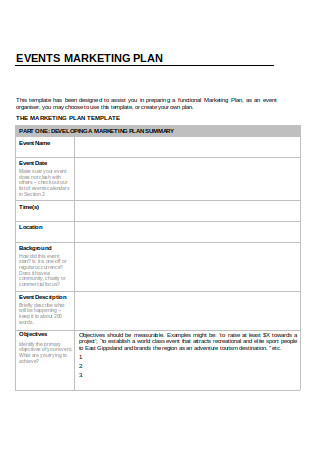 320×455 event marketing plan samples from www.sample.net
  2000×1335 steps create great marketing plan event from whova.com
  2048×1152 include event marketing plan event bible from theeventbible.com.au
  750×501 create actionable event marketing plan from whova.com
  2800×1644 event marketing plan timeline template teamgantt from www.teamgantt.com


Tidak ada komentar:
Posting Komentar