Project Budget Template: Your Roadmap to Financial Success
A project budget template is an essential tool for effectively planning, managing, and controlling the financial aspects of any project, regardless of size or complexity. It provides a structured framework for estimating costs, allocating resources, and tracking expenses throughout the project lifecycle. A well-designed template not only helps in securing project approval but also serves as a crucial instrument for monitoring performance and making informed decisions.
Why Use a Project Budget Template?
Without a clear budget, projects are susceptible to cost overruns, scope creep, and ultimately, failure. A template offers several key benefits:
- Improved Cost Estimation: Templates provide a standardized approach to estimating costs, ensuring all relevant expenses are considered. They often include pre-defined categories and formulas that simplify the estimation process.
- Enhanced Resource Allocation: A budget helps allocate resources effectively by assigning specific funds to different project activities and tasks. This prevents resources from being spread too thin or concentrated in non-critical areas.
- Better Financial Control: The template acts as a benchmark for tracking actual expenses against the planned budget. This allows project managers to identify potential variances early on and take corrective actions.
- Simplified Reporting: A standardized template facilitates the creation of regular budget reports, providing stakeholders with clear and concise information on project financial performance.
- Increased Project Success: By promoting financial discipline and accountability, a budget template significantly increases the likelihood of project completion within the allocated budget and timeframe.
Key Components of a Project Budget Template
A comprehensive project budget template typically includes the following components:
- Project Overview: A brief description of the project, its objectives, and its scope. This provides context for the budget and helps stakeholders understand the project’s goals.
- Budget Summary: A high-level overview of the total project budget, including estimated costs, funding sources, and contingency reserves.
- Cost Breakdown Structure (CBS): The heart of the template, the CBS breaks down the project into smaller, manageable cost categories. Common categories include:
- Labor Costs: Salaries, wages, benefits, and payroll taxes for project team members.
- Material Costs: Costs of raw materials, components, and supplies needed for the project.
- Equipment Costs: Rental or purchase costs of equipment used in the project.
- Subcontractor Costs: Payments to external contractors or consultants.
- Travel Costs: Expenses related to travel for project meetings, site visits, or training.
- Training Costs: Costs associated with training project team members.
- Software and Licensing Costs: Costs of software licenses and subscriptions.
- Overhead Costs: Indirect costs such as rent, utilities, and administrative expenses.
- Cost Estimation Methods: The template should specify the methods used for estimating costs, such as:
- Analogous Estimating: Using historical data from similar projects.
- Parametric Estimating: Using statistical relationships between project parameters and costs.
- Bottom-Up Estimating: Estimating the cost of each individual task and summing them up.
- Assumptions and Constraints: A clear statement of the assumptions and constraints that underpin the budget. This could include assumptions about inflation rates, resource availability, or exchange rates.
- Contingency Reserve: An allocation of funds to cover unforeseen risks and uncertainties. The size of the contingency reserve should be based on the level of risk associated with the project.
- Payment Schedule: A detailed schedule of when payments will be made to vendors, subcontractors, and employees.
- Variance Analysis: A mechanism for tracking actual expenses against the planned budget and identifying any significant variances. This should include a process for investigating and resolving variances.
- Change Management Process: A procedure for managing changes to the project budget. This should include a formal process for submitting, reviewing, and approving change requests.
Tips for Using a Project Budget Template Effectively
- Customize the Template: Adapt the template to the specific needs of your project. Add or remove cost categories as necessary.
- Use Realistic Estimates: Avoid overly optimistic or pessimistic estimates. Use historical data, expert judgment, and market research to develop realistic cost estimates.
- Document Assumptions: Clearly document all assumptions and constraints that underpin the budget. This will help you understand the potential impact of changes to these assumptions.
- Regularly Monitor and Update the Budget: Track actual expenses against the planned budget and update the budget as needed. This will help you identify potential cost overruns early on and take corrective actions.
- Involve Stakeholders: Involve key stakeholders in the budgeting process. This will help ensure that the budget is realistic and reflects the needs of all stakeholders.
A well-crafted project budget template is more than just a spreadsheet; it’s a dynamic tool that guides project managers toward financial responsibility and ultimately, project success. By understanding its components and utilizing it effectively, you can significantly improve your project’s chances of staying on track and delivering the desired outcomes within budget.
 680×886 project budget templates word excel from www.template.net
  2560×1740 great project budget templates excel templatearchive from templatearchive.com
  1024×1446 project budget templates microsoft excel xls from www.template.net
  1055×827 project budget template project budget from myexceltemplates.com
  585×650 project budget templates docs excel from www.template.net
 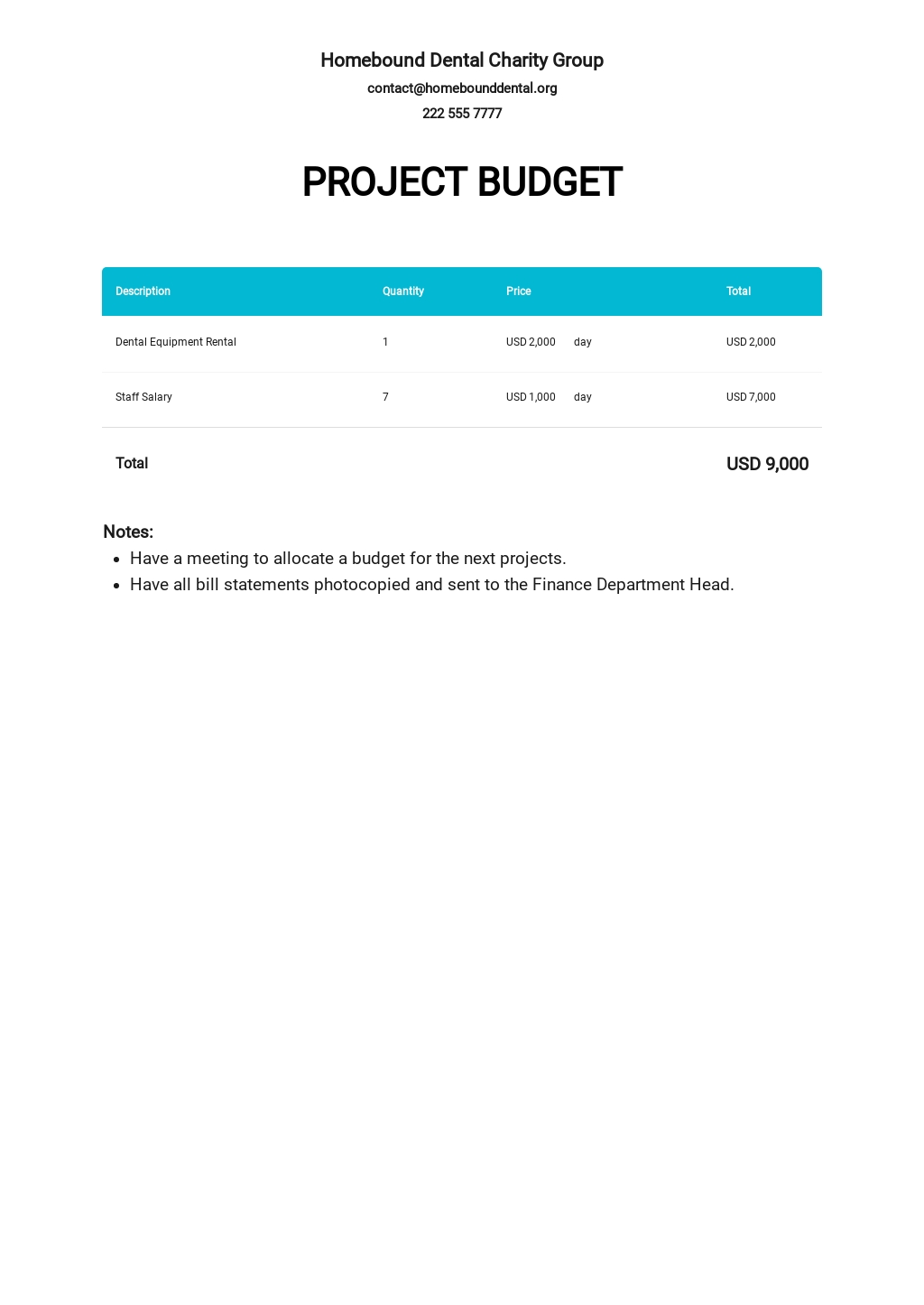 1024×1446 project budget templates microsoft excel xls templatenet from www.template.net
 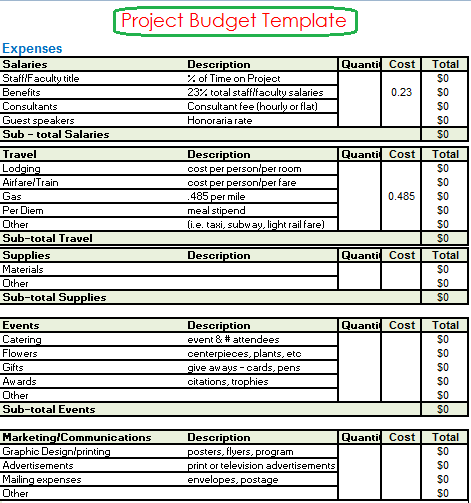 471×503 project budget template word templates from www.wordstemplates.org
 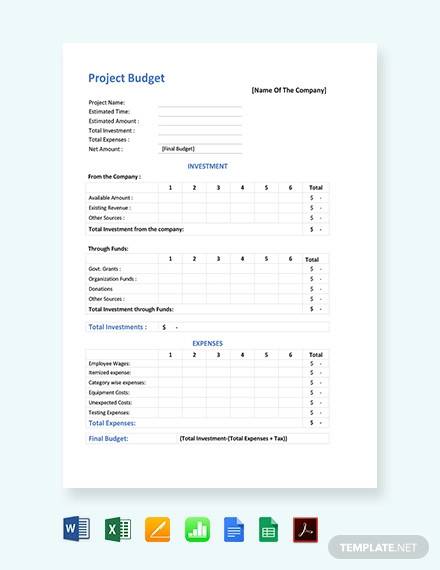 440×570 sample project budget templates google docs google sheets from www.sampletemplates.com
  521×676 project budget template doctemplates from doctemplates.us
  990×1282 types project budget template budgeting tips from templatedocs.net


Tidak ada komentar:
Posting Komentar