
The Power of Customer Feedback Forms: A Guide to Gathering Valuable Insights
In today's competitive marketplace, understanding your customers is paramount to success. Customer feedback forms are a powerful and versatile tool for gathering insights, improving products and services, and ultimately, building stronger customer relationships. These forms provide a structured way to solicit opinions, identify pain points, and uncover opportunities for innovation. This guide explores the importance, design, implementation, and analysis of customer feedback forms.
Why Use Customer Feedback Forms?
Customer feedback forms offer numerous benefits, making them an essential component of any customer-centric strategy:
- Direct Customer Voice: They provide a direct channel for customers to express their opinions, concerns, and suggestions. This unfiltered voice is invaluable for understanding their experiences.
- Identify Areas for Improvement: Feedback highlights weaknesses in products, services, or processes, allowing businesses to address them proactively and prevent further dissatisfaction.
- Measure Customer Satisfaction: Forms can incorporate metrics like Net Promoter Score (NPS), Customer Satisfaction (CSAT), and Customer Effort Score (CES) to quantify customer sentiment and track changes over time.
- Drive Product Development: Insights gleaned from feedback can inform product development, ensuring that new features and enhancements align with customer needs and preferences.
- Personalized Experiences: Understanding customer preferences through feedback enables businesses to tailor their interactions and offer more personalized experiences.
- Build Customer Loyalty: Showing customers that their opinions are valued fosters a sense of loyalty and encourages repeat business. Responding to feedback, even negative feedback, demonstrates that the company cares.
- Proactive Problem Solving: Identifying issues early through feedback allows businesses to address them before they escalate into larger problems or public complaints.
- Competitive Advantage: Businesses that actively listen to and act on customer feedback gain a competitive edge by continuously improving their offerings and customer experiences.
Designing Effective Customer Feedback Forms
The effectiveness of a customer feedback form hinges on its design. A well-designed form is easy to use, relevant, and encourages honest responses. Consider these key elements:
- Clear Objective: Define the specific purpose of the form. What information are you hoping to gather? This will guide the questions you ask.
- Target Audience: Tailor the language and questions to the specific customer segment you are targeting. A form for new customers will differ from one for long-term clients.
- Concise and Focused Questions: Keep questions brief, clear, and to the point. Avoid jargon or ambiguous language. Focus on asking one question at a time.
- Variety of Question Types: Use a mix of question types to gather both quantitative and qualitative data. Common types include:
- Multiple Choice: Provides a limited set of predefined options. Useful for collecting structured data.
- Rating Scales (e.g., Likert Scales): Allows customers to rate their agreement with statements or the level of satisfaction on a scale.
- Open-Ended Questions (Text Boxes): Provides space for customers to provide detailed, free-form responses. Essential for capturing nuanced insights.
- Net Promoter Score (NPS): Asks customers how likely they are to recommend the product or service to others on a scale of 0 to 10.
- Customer Satisfaction (CSAT): Measures customer satisfaction with a specific aspect of the experience.
- Customer Effort Score (CES): Measures the effort required by customers to resolve an issue or complete a task.
- Logical Flow: Arrange questions in a logical order, grouping related topics together. Start with easy questions and progress to more complex ones.
- Mobile-Friendly Design: Ensure the form is easily accessible and usable on mobile devices, as many customers will complete it on their phones or tablets.
- Branding: Incorporate your brand's logo, colors, and visual elements to create a consistent brand experience.
- Thank You Message: End the form with a thank you message expressing gratitude for the customer's time and feedback.
- Privacy Considerations: Clearly state how the collected data will be used and ensure compliance with privacy regulations (e.g., GDPR, CCPA). Provide a link to your privacy policy.
Implementing Customer Feedback Forms
Choosing the right method for deploying your customer feedback form is crucial for maximizing response rates:
- Email Surveys: Send forms via email to customers after a purchase, service interaction, or at regular intervals.
- On-Website Forms: Embed forms directly on your website, on specific product pages, or in the checkout process.
- In-App Surveys: Integrate forms into your mobile app to gather feedback from users while they are actively using the app.
- Post-Interaction Forms: Provide forms after a customer service interaction, such as a phone call or live chat session.
- QR Codes: Display QR codes in physical locations (e.g., stores, restaurants) that lead customers to the feedback form.
- Social Media Polls and Surveys: Utilize social media platforms to gather quick feedback and gauge customer sentiment on specific topics.
Analyzing and Acting on Customer Feedback
Collecting feedback is only half the battle. The real value lies in analyzing the data and taking action based on the insights gained:
- Data Analysis: Use data analysis tools to identify trends, patterns, and key themes in the responses.
- Sentiment Analysis: Employ sentiment analysis techniques to gauge the overall emotional tone of the feedback.
- Prioritize Issues: Focus on addressing the most pressing issues and those that have the greatest impact on customer satisfaction.
- Share Feedback: Share the feedback findings with relevant teams and stakeholders within the organization.
- Implement Changes: Use the feedback to make improvements to products, services, and processes.
- Close the Loop: Follow up with customers who provided feedback, especially those who expressed concerns. Let them know that their feedback was heard and that action has been taken. This shows that you value their input and are committed to improving their experience.
- Track Progress: Monitor the impact of changes implemented based on feedback. Track key metrics like NPS, CSAT, and CES to measure the effectiveness of your efforts.
By implementing a well-designed customer feedback form strategy, businesses can gain invaluable insights, drive continuous improvement, and ultimately, create a loyal and satisfied customer base.
 600×730 customer feedback form templates xlsx docs samples from www.excelstemplates.com
 390×505 customer feedback form templates from www.template.net
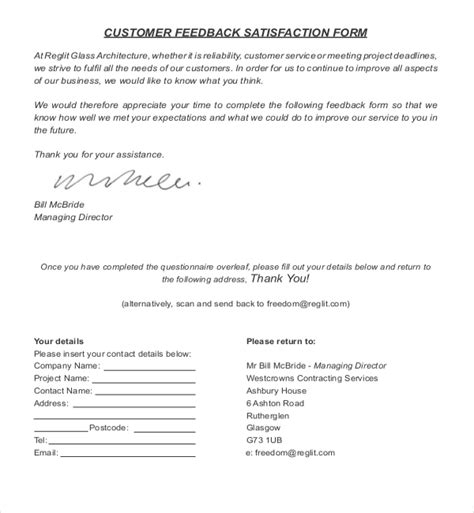 600×650 customer feedback form samples ms word google docs from www.sampleforms.com
768×1024 customer feedback form from www.scribd.com
 600×600 sample customer feedback forms excel word from www.sampleforms.com
 600×700 customer feedback forms ms word from www.sampleforms.com
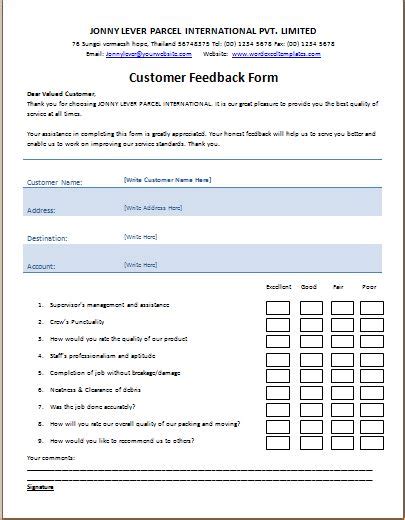 405×520 ms word printable customer feedback form template word excel templates from www.wordexceltemplates.com
 600×730 sample customer feedback forms ms word from www.sampletemplates.com
 416×537 customer feedback forms ms word word excel templates from www.wordexceltemplates.com
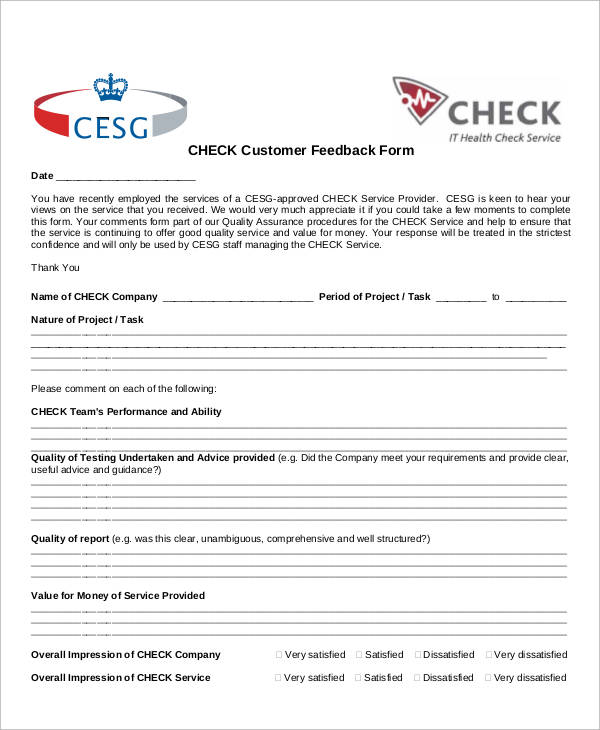 600×730 customer feedback form templates xlsx docs samples from www.excelstemplates.com
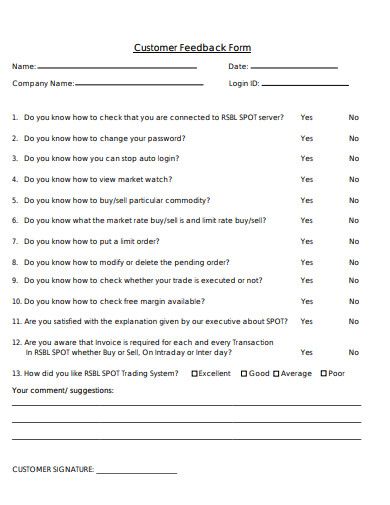 390×505 customer feedback form templates from www.template.net
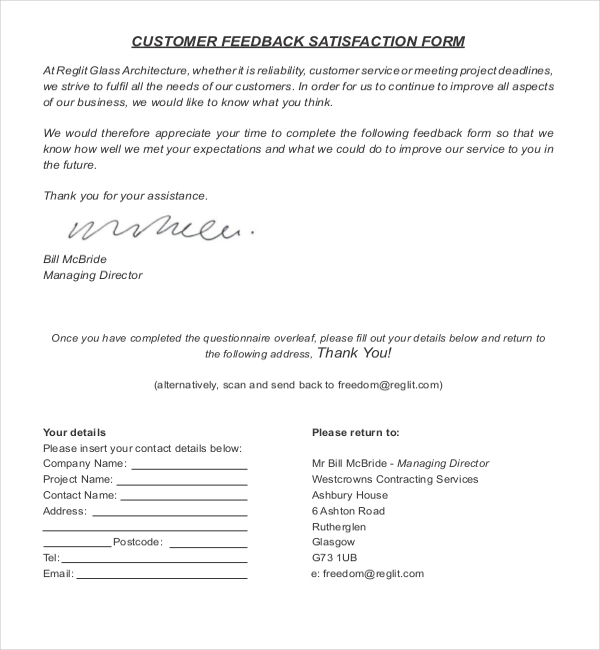 600×650 customer feedback form samples ms word google docs from www.sampleforms.com
 600×600 sample customer feedback forms excel word from www.sampleforms.com
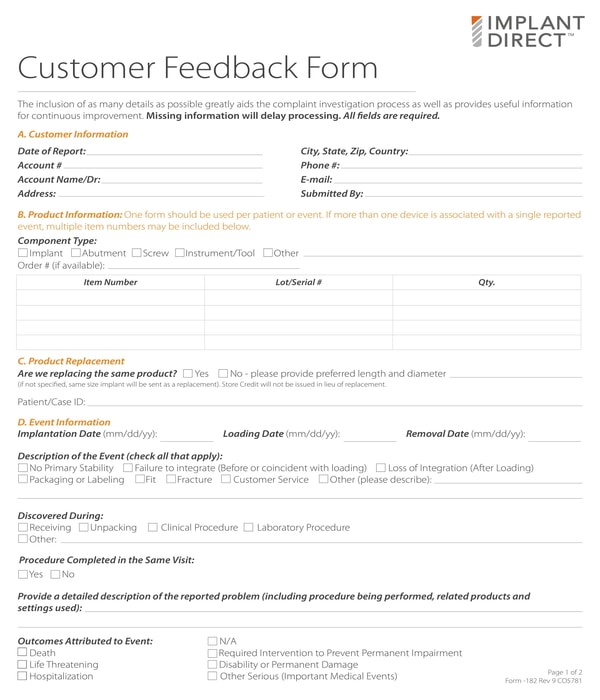 600×700 customer feedback forms ms word from www.sampleforms.com
 405×520 ms word printable customer feedback form template word excel templates from www.wordexceltemplates.com
 600×730 sample customer feedback forms ms word from www.sampletemplates.com
 416×537 customer feedback forms ms word word excel templates from www.wordexceltemplates.com


Tidak ada komentar:
Posting Komentar