
SEO Keyword Tracker: Your Essential Guide to Search Ranking Success
In the ever-evolving world of Search Engine Optimization (SEO), staying ahead of the curve requires more than just guesswork. An SEO keyword tracker is an indispensable tool for monitoring your website's performance in search engine results pages (SERPs) and gaining valuable insights into your target keywords.
What is an SEO Keyword Tracker?
An SEO keyword tracker is a software or platform that monitors the position of your website's pages for specific keywords in search engine results. It provides historical data and current rankings, allowing you to analyze trends, identify opportunities, and measure the effectiveness of your SEO strategies.
Why Use a Keyword Tracker?
Using a keyword tracker provides numerous benefits for your SEO efforts:
- Track Your Progress: Monitor your website's ranking progress over time. See which keywords are improving and which are declining, allowing you to adjust your strategy accordingly.
- Identify Opportunities: Discover new keyword opportunities based on your current rankings. Find low-hanging fruit keywords where you're already ranking and can potentially improve with targeted optimization.
- Competitive Analysis: Track your competitors' rankings for the same keywords. Understand their strategies and identify areas where you can outperform them.
- Monitor Ranking Fluctuations: Search engine algorithms are constantly changing. A keyword tracker helps you identify and understand ranking fluctuations, enabling you to react quickly and address any potential issues.
- Local SEO Tracking: Track rankings for local keywords in specific geographic locations. This is crucial for businesses targeting local customers.
- Measure ROI: Correlate keyword rankings with website traffic, leads, and sales. Demonstrate the value of your SEO efforts and justify your marketing budget.
- Identify Keyword Cannibalization: Determine if multiple pages on your site are competing for the same keywords, potentially hurting your overall rankings.
Key Features to Look For in a Keyword Tracker
When choosing an SEO keyword tracker, consider these essential features:
- Accurate Ranking Data: The tracker should provide reliable and accurate ranking data from major search engines like Google, Bing, and Yahoo.
- Historical Data: Access to historical ranking data is crucial for identifying trends and understanding long-term performance.
- Competitor Tracking: The ability to track your competitors' rankings is essential for competitive analysis.
- Local Rank Tracking: If you're targeting local customers, ensure the tracker supports local rank tracking with specific geographic targeting.
- Mobile Rank Tracking: With the increasing use of mobile devices, tracking mobile rankings is crucial.
- Reporting and Analytics: The tracker should provide clear and concise reports with actionable insights.
- Keyword Grouping and Segmentation: Organize your keywords into groups for easier analysis and reporting.
- API Integration: Integration with other marketing tools, such as Google Analytics and Google Search Console, can streamline your workflow.
- Customizable Settings: The ability to customize the tracker's settings to match your specific needs.
- User-Friendly Interface: An intuitive and easy-to-use interface is essential for efficient workflow.
- Alerts and Notifications: Receive alerts when your rankings change significantly.
How to Use a Keyword Tracker Effectively
To get the most out of your SEO keyword tracker, follow these best practices:
- Define Your Target Keywords: Identify the keywords that are most relevant to your business and target audience. Consider both head terms (broad keywords) and long-tail keywords (more specific phrases).
- Set Up Your Tracking: Add your target keywords and website to the tracker. Configure the settings to match your specific needs, such as geographic targeting and competitor tracking.
- Monitor Your Rankings Regularly: Check your rankings regularly to identify trends and potential issues.
- Analyze the Data: Analyze the data provided by the tracker to identify opportunities and areas for improvement.
- Adjust Your Strategy: Based on your analysis, adjust your SEO strategy to improve your rankings. This may involve optimizing your website content, building backlinks, or improving your technical SEO.
- Track Your Progress: Monitor your rankings after making changes to your strategy to see if they are having the desired effect.
- Stay Up-to-Date: Stay up-to-date on the latest SEO trends and algorithm updates to ensure your strategy remains effective.
Choosing the Right Keyword Tracker
Numerous SEO keyword trackers are available, each with its own strengths and weaknesses. Some popular options include:
- SEMrush: A comprehensive SEO toolkit with robust keyword tracking features.
- Ahrefs: Another popular SEO tool with excellent backlink analysis and keyword tracking capabilities.
- Moz Pro: A comprehensive SEO platform with keyword ranking, site audit, and backlink analysis tools.
- SERPwoo: A dedicated SERP tracker offering granular rank tracking.
- AccuRanker: A specialized rank tracker known for its accuracy and speed.
- Google Search Console: A free tool from Google that provides valuable data about your website's performance in search results. While not a dedicated rank tracker, it offers insights into your top-ranking keywords.
When choosing a keyword tracker, consider your budget, specific needs, and technical expertise. Many providers offer free trials, allowing you to test the platform before committing to a paid subscription.
Conclusion
An SEO keyword tracker is an essential tool for any business looking to improve its search engine rankings and drive more traffic to its website. By monitoring your keyword performance, identifying opportunities, and tracking your competitors, you can make data-driven decisions and optimize your SEO strategy for maximum impact. Choose a tracker that meets your specific needs and budget, and use it consistently to achieve your SEO goals.
 1600×1200 boost seo seo tracking keyword monitoring from aritic.com
 474×326 keyword rank tracker position tracking tool seo tester from www.seotesteronline.com
 1000×700 seo rank tracker tools keyword tracking from amplethemes.com
1000×500 seo keyword rank checker tools track keywords ranking easily from www.adstriangle.com
 724×420 keyword position tracker tools seo from marketingkeytech.com
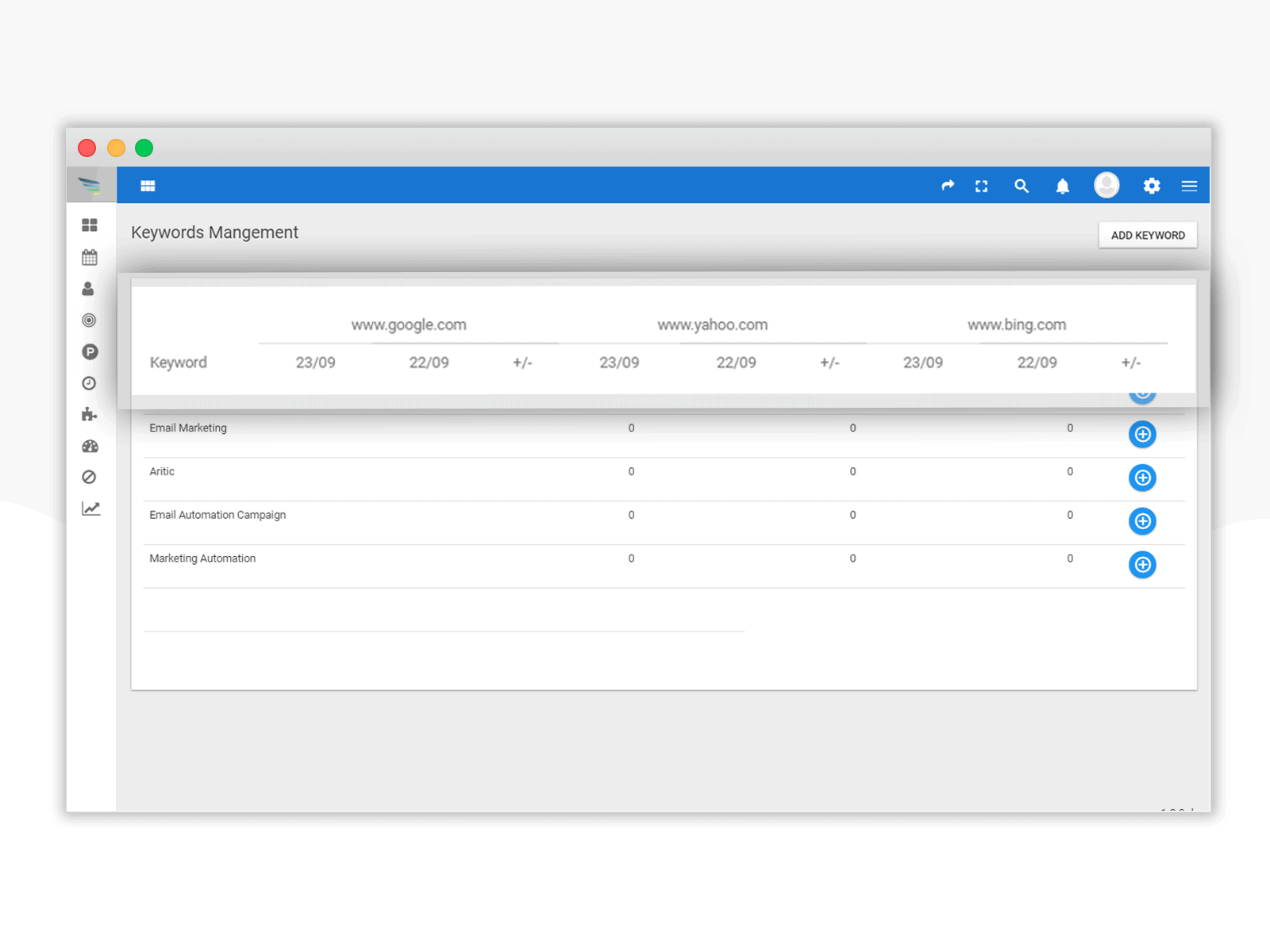 1600×1200 boost seo seo tracking keyword monitoring from aritic.com
 474×326 keyword rank tracker position tracking tool seo tester from www.seotesteronline.com
 1000×700 seo rank tracker tools keyword tracking from amplethemes.com
 1000×500 seo keyword rank checker tools track keywords ranking easily from www.adstriangle.com
 724×420 keyword position tracker tools seo from marketingkeytech.com


Tidak ada komentar:
Posting Komentar