Crafting Your Perfect Gardening Schedule Template
A well-organized gardening schedule is the secret weapon of successful gardeners, transforming chaotic aspirations into thriving harvests. It’s more than just a list of tasks; it’s a roadmap that guides you through the growing season, ensuring you’re doing the right things at the right time. A robust schedule template, tailored to your specific needs, is the foundation of this roadmap.
Why Use a Gardening Schedule Template?
Using a schedule template offers a multitude of benefits:
- Optimized Timing: Knowing when to start seeds indoors, transplant seedlings, fertilize plants, and harvest produce maximizes yields and prevents common gardening mistakes.
- Reduced Stress: A clear plan alleviates the overwhelm of managing multiple garden tasks. You’ll know exactly what needs to be done, reducing the chance of forgetting crucial steps.
- Improved Organization: A template helps you track tasks, materials, and progress, leading to a more organized and efficient gardening process.
- Resource Management: Planning ahead allows you to anticipate material needs (seeds, fertilizer, soil amendments) and allocate your time and resources effectively.
- Problem Prevention: By scheduling preventative measures like pest control and disease management, you can minimize potential problems and maintain a healthy garden.
Key Components of a Gardening Schedule Template
A comprehensive gardening schedule template should include the following elements:
- Month/Week: A chronological framework that structures your tasks according to the growing season.
- Task: A specific action to be performed (e.g., “Sow tomato seeds indoors,” “Weed the vegetable patch,” “Apply organic fertilizer”).
- Plant/Crop: Identify the specific plant or crop the task relates to (e.g., “Tomatoes,” “Lettuce,” “Rose bushes”).
- Due Date: A target date for completing the task, considering factors like weather, plant maturity, and personal availability.
- Materials Required: List all necessary supplies (e.g., seeds, compost, tools, gloves).
- Instructions/Notes: Add brief instructions or helpful notes (e.g., “Sow seeds ¼ inch deep,” “Water seedlings regularly,” “Use a tomato cage”).
- Status: Track the progress of each task (e.g., “To Do,” “In Progress,” “Completed”).
- Weather Considerations: Note expected weather conditions and adjust tasks accordingly (e.g., “Cover seedlings if frost is predicted,” “Water deeply during dry spells”).
- Location: Specifies where the task should be carried out (e.g., “Seed starting tray,” “Raised bed #1,” “Herb garden”).
Creating Your Personalized Template
While pre-made templates can be helpful, customizing your own is crucial for achieving optimal results. Here’s how to create a template that reflects your unique gardening needs:
- Identify Your Growing Zone: Determine your USDA plant hardiness zone. This information dictates the planting and harvesting times for various plants in your region.
- List Your Desired Plants: Decide which vegetables, fruits, flowers, and herbs you want to grow. Research their specific growing requirements, including planting dates, spacing, sunlight needs, and watering frequency.
- Consider Your Garden Space: Assess the size and layout of your garden. Factor in available sunlight, soil conditions, and any limitations (e.g., limited space, poor drainage).
- Choose Your Template Format: Opt for a digital template (spreadsheet, calendar app, gardening app) or a paper-based template (notebook, printed chart). Select a format that suits your organizational style and technological comfort level.
- Populate the Template: Start by filling in the planting dates for each plant based on your growing zone and research. Then, add other relevant tasks, such as soil preparation, fertilizing, pruning, pest control, and harvesting.
- Prioritize Tasks: Use color-coding or other visual cues to highlight urgent or time-sensitive tasks. This will help you stay on track and avoid delays.
- Review and Revise: Regularly review and update your schedule as needed. Adjust planting dates if the weather is uncooperative. Add or remove tasks based on your garden’s progress and your own preferences.
Example Template Structure (Simplified)
Here’s a simplified example of a gardening schedule template in a tabular format:
| Month | Week | Task | Plant/Crop | Due Date | Status |
|---|---|---|---|---|---|
| March | Week 2 | Sow tomato seeds indoors | Tomatoes | March 15 | To Do |
| April | Week 4 | Transplant lettuce seedlings | Lettuce | April 28 | In Progress |
| May | Week 3 | Apply organic fertilizer | Tomatoes | May 20 | Completed |
Tips for Maintaining Your Schedule
- Regularly Check Your Schedule: Dedicate a few minutes each week to review your schedule and ensure you’re on track.
- Be Flexible: Weather and unforeseen circumstances can disrupt your plans. Be prepared to adjust your schedule as needed.
- Take Notes: Keep a garden journal to record your observations, successes, and failures. This information will be invaluable for planning future gardening seasons.
- Celebrate Your Successes: Acknowledge your accomplishments along the way. Gardening is a rewarding experience, so take time to enjoy the process.
By creating and diligently using a gardening schedule template, you can transform your gardening endeavors from a haphazard hobby into a well-managed and fruitful pursuit. Happy gardening!
 1024×768 landscaping schedule template doctemplates from doctemplates.us
  947×624 garden planner template sampletemplatess sampletemplatess from www.sampletemplatess.com
  600×900 home gardening printable planting schedule from onemamasdailydrama.com
  1200×630 printable home garden planting schedule tracker from onemamasdailydrama.com
  546×426 weekly planner excel template excel templates from www.exceltemplate123.us
  640×960 garden planting schedule from homespunseasonalliving.com
 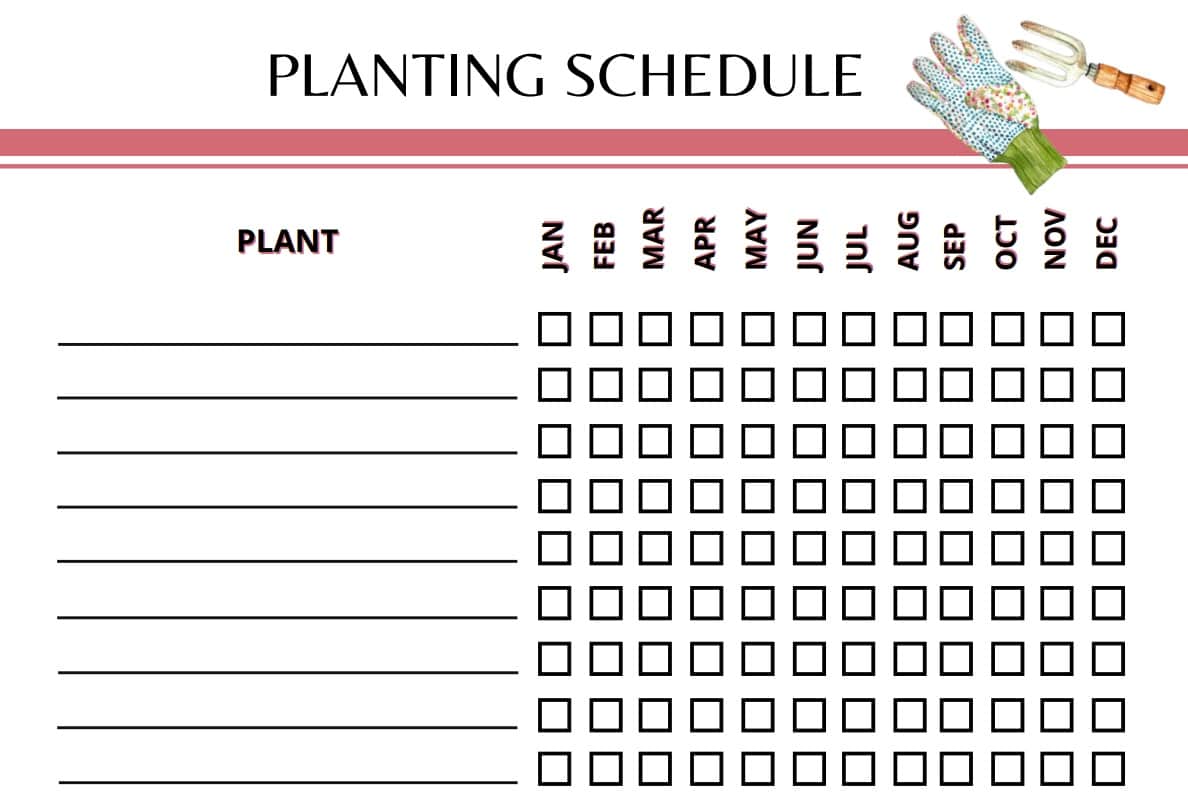 1188×799 plan garden printable planner gardening from gardening.org
  602×1200 planting schedule garden planner haphazard homemaker from haphazardhomemaker.com


Tidak ada komentar:
Posting Komentar