Student Attendance Tracker: A Comprehensive Overview
Tracking student attendance is a fundamental aspect of educational administration, providing valuable insights into student engagement, academic performance, and potential areas of concern. A robust student attendance tracker is no longer a simple record-keeping tool; it’s a powerful analytical instrument that can significantly impact student success and institutional effectiveness.
The Importance of Attendance Tracking
Regular attendance is strongly correlated with academic achievement. Students who consistently attend classes are more likely to grasp concepts, participate in discussions, and complete assignments successfully. Conversely, frequent absences can lead to knowledge gaps, lower grades, and a decreased likelihood of graduation. By meticulously tracking attendance, educators can identify students at risk of falling behind and intervene early to provide support.
Beyond academic performance, attendance tracking helps identify patterns that might indicate underlying issues. Chronic absenteeism can be a sign of bullying, mental health problems, family challenges, or disengagement with the learning environment. By analyzing attendance data, schools can proactively address these issues and provide students with the necessary resources and support.
Furthermore, accurate attendance records are crucial for administrative purposes. They are essential for calculating funding based on student enrollment, complying with attendance regulations, and providing accurate data for research and reporting. A reliable attendance tracking system ensures that the institution has the information it needs to operate efficiently and effectively.
Key Features of an Effective Attendance Tracker
An effective student attendance tracker should possess several key features to maximize its utility and impact:
- User-Friendly Interface: The system should be intuitive and easy to navigate for both teachers and administrators. A clear and simple interface reduces the learning curve and encourages consistent use.
- Multiple Attendance Recording Methods: Flexibility is key. The system should support various methods of recording attendance, including manual entry, barcode scanning, RFID technology, and mobile applications. This allows teachers to choose the method that best suits their needs and classroom environment.
- Real-Time Data Updates: Attendance data should be updated in real-time, providing an accurate and up-to-date picture of student attendance. This allows for immediate intervention when a student is absent.
- Automated Notifications: The system should automatically generate notifications to parents or guardians when a student is absent or tardy. This ensures that parents are informed and can work with the school to address any attendance concerns.
- Detailed Reporting and Analytics: The system should provide comprehensive reporting and analytics capabilities, allowing educators to track attendance trends, identify at-risk students, and evaluate the effectiveness of attendance interventions. Reports should be customizable to meet specific needs.
- Integration with Other Systems: Seamless integration with other school systems, such as student information systems (SIS) and learning management systems (LMS), is essential for data consistency and efficiency.
- Security and Privacy: The system must ensure the security and privacy of student data, complying with relevant regulations such as FERPA. Access to attendance data should be restricted to authorized personnel only.
Types of Student Attendance Trackers
Student attendance trackers can be broadly categorized into two types:
- Manual Systems: These systems rely on paper-based records and manual data entry. While simple and inexpensive, they are prone to errors, time-consuming, and lack the analytical capabilities of automated systems.
- Automated Systems: These systems utilize software and hardware to automate the attendance tracking process. They offer greater accuracy, efficiency, and analytical capabilities compared to manual systems. Automated systems can be further divided into:
- On-Premise Systems: These systems are installed and managed on the school’s own servers. They offer greater control over data security and customization options but require significant IT infrastructure and support.
- Cloud-Based Systems: These systems are hosted on a third-party server and accessed through a web browser. They are generally more affordable and easier to maintain than on-premise systems, but data security and privacy concerns should be carefully considered.
Implementing a Student Attendance Tracker
Implementing a student attendance tracker involves several key steps:
- Needs Assessment: Conduct a thorough needs assessment to identify the specific requirements and challenges of the institution.
- System Selection: Choose a system that meets the identified needs and budget, considering factors such as features, scalability, and integration capabilities.
- Training and Support: Provide comprehensive training to teachers and administrators on how to use the system effectively. Ongoing support should be readily available.
- Data Migration: Migrate existing attendance data to the new system, ensuring data accuracy and consistency.
- Monitoring and Evaluation: Regularly monitor the system’s performance and evaluate its effectiveness in improving attendance and student outcomes.
Conclusion
A well-designed and implemented student attendance tracker is an invaluable tool for educators. It provides crucial data for monitoring student engagement, identifying at-risk students, and improving academic outcomes. By carefully selecting and implementing a system that meets their specific needs, schools can leverage the power of attendance data to create a more supportive and effective learning environment for all students.
 1080×810 student app attendance tracker mukesh bisht dribbble from dribbble.com
  899×695 student attendance tracker template hq printable documents from whoamuu.blogspot.com
 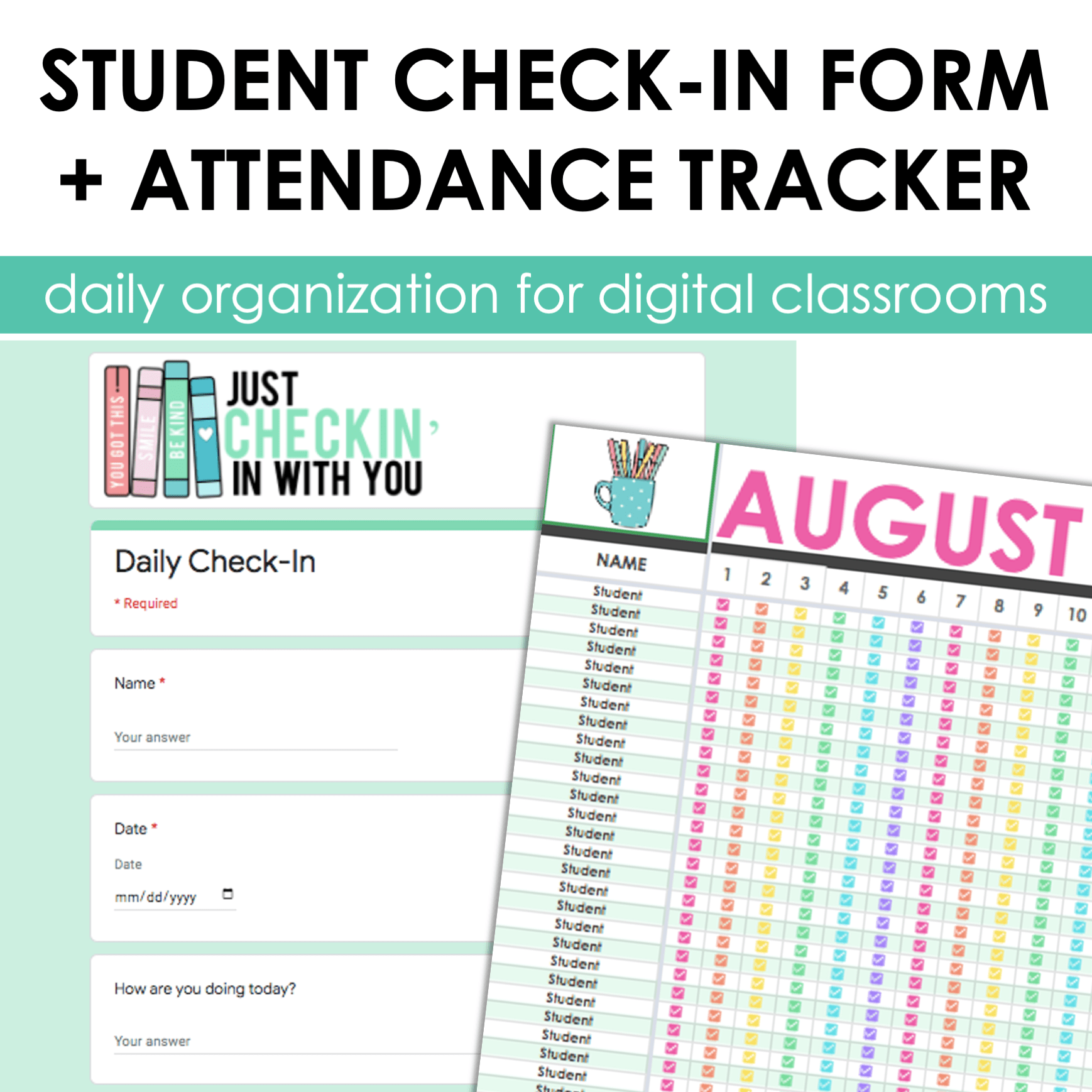 1738×1738 student check form attendance tracker markers minions from markersandminions.com


Tidak ada komentar:
Posting Komentar