“`html
Remote Work Policy Template: Empowering Flexibility and Productivity
A well-defined remote work policy is crucial for organizations embracing distributed teams. It sets clear expectations, ensures legal compliance, and fosters a productive and equitable work environment. This template provides a framework for creating a robust remote work policy tailored to your specific organizational needs.
Key Components of a Remote Work Policy
- Eligibility and Suitability:
Clearly define which roles and employees are eligible for remote work. Consider factors like job responsibilities, performance history, and self-management skills. Outline the application process and approval criteria. Include a trial period for new remote workers to assess suitability and make necessary adjustments.
- Work Environment and Equipment:
Specify requirements for a suitable remote workspace, including a dedicated, quiet area free from distractions. Address internet connectivity requirements, data security protocols, and the use of company-provided equipment versus personal devices. Clarify responsibility for maintaining and securing company assets.
- Working Hours and Availability:
Establish clear expectations regarding working hours, response times, and availability for meetings and communication. Define time zone considerations and address any requirements for overlap with core business hours. Consider offering flexible work schedules while ensuring adequate team collaboration.
- Communication and Collaboration:
Outline preferred communication channels (e.g., email, instant messaging, video conferencing) and protocols for timely responses. Encourage regular team check-ins, virtual social events, and the use of collaborative tools to maintain team cohesion and prevent isolation. Specify guidelines for using video conferencing etiquette.
- Performance Expectations and Accountability:
Emphasize that performance expectations remain the same regardless of work location. Define measurable goals, key performance indicators (KPIs), and methods for monitoring progress. Implement regular performance reviews and feedback sessions. Address potential issues related to productivity and performance management in a remote setting.
- Data Security and Confidentiality:
Reinforce the importance of data security and confidentiality while working remotely. Outline security protocols, including password management, data encryption, and protection against phishing scams. Emphasize the prohibition of accessing sensitive information on unsecured networks and public Wi-Fi. Include guidelines for securely disposing of confidential documents and electronic devices.
- Expense Reimbursement and Other Benefits:
Clarify policies regarding expense reimbursement for remote work-related costs, such as internet access, office supplies, or ergonomic equipment. Define eligibility for other benefits, such as health insurance, paid time off, and professional development opportunities. Ensure equitable treatment of remote workers compared to in-office employees.
- Technology Support and Training:
Provide remote workers with access to adequate technology support and training. Offer resources for troubleshooting technical issues, using collaborative tools, and maintaining cybersecurity. Designate a point of contact for IT support and provide clear escalation procedures.
- Policy Review and Updates:
State that the remote work policy is subject to regular review and updates. Establish a process for incorporating feedback from employees and adapting the policy to evolving business needs and legal requirements. Communicate any changes to the policy in a timely and transparent manner.
- Legal Compliance:
Ensure the remote work policy complies with all applicable labor laws, including wage and hour regulations, workplace safety standards, and data privacy laws. Consult with legal counsel to ensure compliance with local, state, and federal regulations.
Example Clauses to Consider
- Home Office Ergonomics: “Employees are responsible for creating an ergonomic workspace at home and may be eligible for reimbursement for ergonomic equipment, subject to company approval.”
- Company Property: “All company-issued equipment must be used solely for business purposes and returned upon termination of employment.”
- Data Security Breach Reporting: “Employees must immediately report any suspected data security breaches or incidents to the IT department.”
- Right to Revoke: “The company reserves the right to revoke remote work privileges at any time, with or without cause, subject to applicable law.”
Customization is Key
This template is a starting point. Tailor it to your specific organizational culture, industry, and business requirements. Consult with HR professionals, legal counsel, and employees to ensure the policy is comprehensive, fair, and effective.
By implementing a well-defined and thoughtfully crafted remote work policy, organizations can create a flexible, productive, and engaged workforce while mitigating potential risks and ensuring compliance.
“`
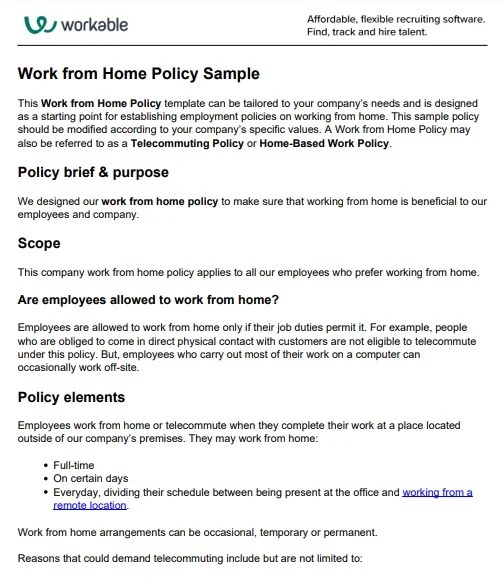 504×578 remote work policy template word excel tmp from exceltmp.com
  671×692 set remote work policy templates tips from biz30.timedoctor.com
  1008×527 remote working policy template from info.hrlocker.com
  1000×1290 remote work policy template from www.business-in-a-box.com


Tidak ada komentar:
Posting Komentar