Tracking Your Way to Better Health: A Guide to Symptom Trackers
In today’s fast-paced world, it’s easy to dismiss minor aches, pains, and changes in our bodies. We often attribute them to stress, lack of sleep, or simply “a bad day.” However, these seemingly insignificant symptoms can be early indicators of underlying health issues. This is where symptom trackers come into play. They offer a proactive approach to health management, empowering individuals to take control of their well-being.
What is a Symptom Tracker?
A symptom tracker is essentially a diary, whether digital or physical, used to record and monitor your physical and mental health symptoms over time. It’s a tool that helps you document details about your symptoms, such as:
- What symptoms are you experiencing? (e.g., headache, fatigue, nausea, anxiety)
- When did the symptoms start? (date and time)
- How severe are the symptoms? (often rated on a scale, like 1-10)
- How long do the symptoms last? (duration)
- What triggers the symptoms? (potential causes or contributing factors)
- What makes the symptoms better or worse? (relief measures or aggravating factors)
- Other relevant information: (medications taken, food consumed, activities performed, stress levels)
By consistently logging this information, you create a comprehensive record that can reveal patterns, triggers, and trends that might otherwise go unnoticed. This data becomes invaluable when discussing your health concerns with healthcare professionals.
Benefits of Using a Symptom Tracker
The advantages of using a symptom tracker are numerous and can significantly impact your health management:
- Improved Accuracy in Self-Assessment: Our memory is often unreliable, especially when recalling details about past experiences. A symptom tracker provides a written record, ensuring accurate recall of symptom onset, severity, and duration.
- Identification of Patterns and Triggers: By meticulously tracking your symptoms, you can identify correlations between your symptoms and specific events, foods, activities, or environmental factors. For example, you might discover that your headaches are consistently triggered by certain types of cheese or that your anxiety intensifies after consuming caffeine.
- Enhanced Communication with Healthcare Professionals: When you visit your doctor, having a detailed symptom log can significantly improve the efficiency and effectiveness of the appointment. Instead of relying on vague recollections, you can present concrete data that provides a clearer picture of your health concerns. This allows your doctor to make more informed decisions about diagnosis, treatment, and further testing.
- Empowerment and Control Over Your Health: Tracking your symptoms can empower you to take a more active role in managing your health. By understanding your triggers and patterns, you can make lifestyle adjustments to minimize the impact of your symptoms and improve your overall well-being.
- Early Detection of Potential Health Issues: Consistent symptom tracking can help you identify subtle changes in your health that might indicate the onset of a more serious condition. Early detection allows for timely intervention, potentially preventing the condition from progressing and improving treatment outcomes.
- Monitoring the Effectiveness of Treatments: If you are undergoing treatment for a specific condition, a symptom tracker can help you monitor the effectiveness of the treatment. By tracking your symptoms over time, you can assess whether the treatment is alleviating your symptoms or if adjustments are needed.
Types of Symptom Trackers
Symptom trackers come in various forms, catering to different preferences and needs:
- Paper-Based Trackers: These are simple notebooks or pre-printed templates where you manually record your symptoms. They are convenient and require no technology, but they can be less organized and harder to analyze.
- Spreadsheet Software: Using programs like Microsoft Excel or Google Sheets allows you to create custom symptom trackers with columns for different variables and features for data analysis and charting.
- Mobile Apps: Numerous mobile apps are specifically designed for symptom tracking. These apps often offer features such as customizable symptom lists, medication reminders, appointment scheduling, and data visualization. Some popular examples include Bearable, Flaredown, and Cara Care.
- Wearable Technology: Smartwatches and fitness trackers can monitor certain physiological data, such as heart rate, sleep patterns, and activity levels, which can be valuable in tracking symptoms related to cardiovascular health, sleep disorders, or energy levels.
Tips for Effective Symptom Tracking
To maximize the benefits of a symptom tracker, consider these tips:
- Be Consistent: The key to effective symptom tracking is consistency. Make it a daily habit to record your symptoms, even on days when you feel well.
- Be Detailed: Provide as much detail as possible about your symptoms, including their onset, severity, duration, triggers, and alleviating factors.
- Be Honest: It’s important to be honest and accurate when recording your symptoms. Don’t downplay or exaggerate your experiences.
- Be Organized: Choose a tracking method that is organized and easy to use. This will make it more likely that you will stick with it.
- Review Regularly: Regularly review your symptom tracker to identify patterns and trends. This will help you gain a better understanding of your health and identify potential triggers.
- Share with Your Doctor: Share your symptom tracker with your doctor during appointments. This will provide valuable information that can help them make more informed decisions about your care.
Conclusion
A symptom tracker is a powerful tool for proactive health management. By consistently logging your symptoms and identifying patterns, you can gain a deeper understanding of your body, improve communication with your doctor, and take control of your well-being. Whether you choose a simple notebook or a sophisticated mobile app, incorporating symptom tracking into your daily routine can be a valuable step towards a healthier and happier you.
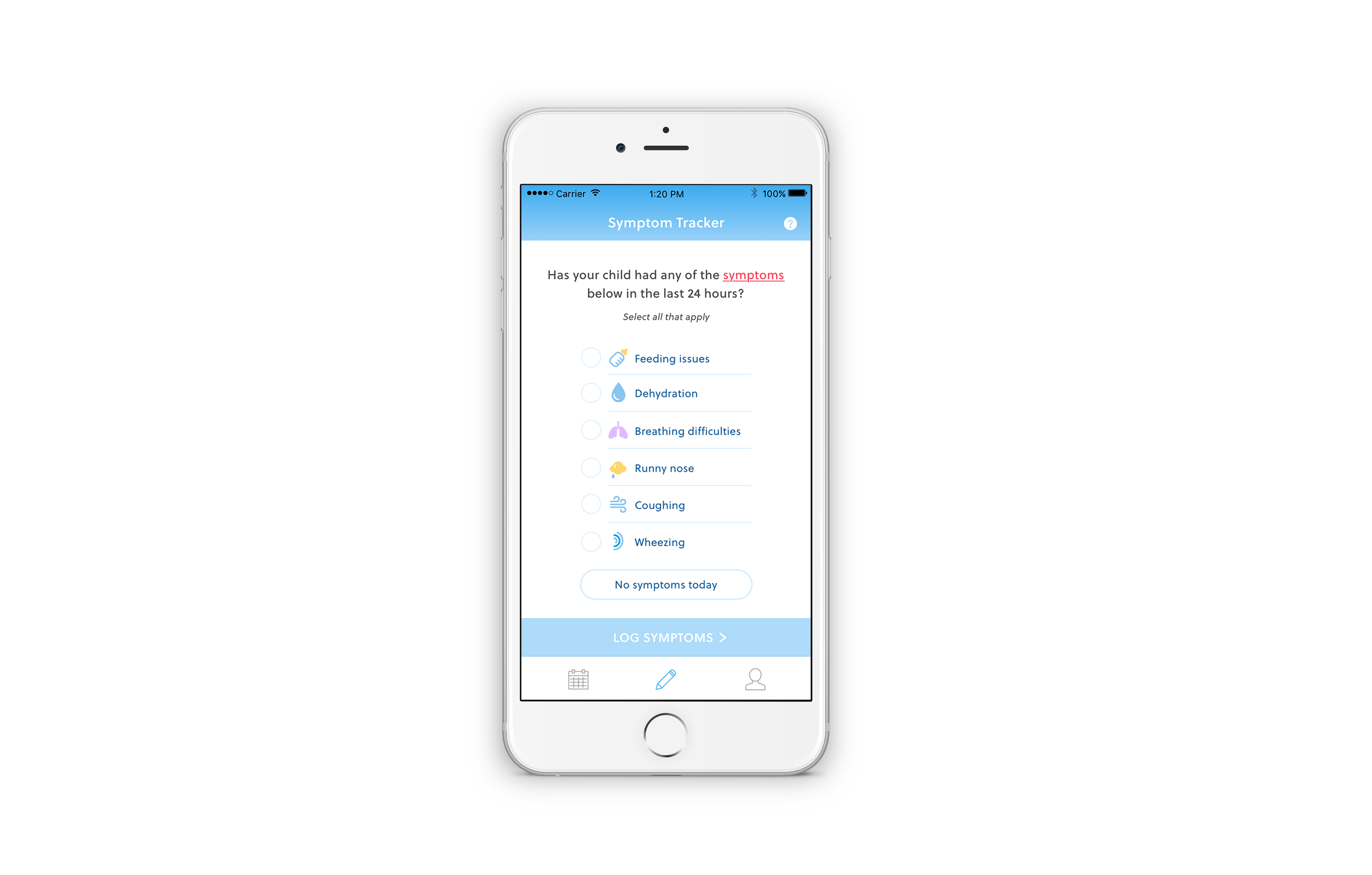 4050×2582 ui ux design case study symptom tracker app groupvisualio from groupvisual.io
  300×300 symptom tracker sunshine rainy days from shop.sunshineandrainydays.com
  1050×1359 symptom tracker printable world printables from worldofprintables.com


Tidak ada komentar:
Posting Komentar